On March 8, 2014, Malaysia Airlines Flight MH370 disappeared while flying from Kuala Lumpur to Beijing. The search for the aircraft became one of the most challenging maritime search operations in history, covering vast areas of the Indian Ocean where the ocean depth reaches several thousand meters.
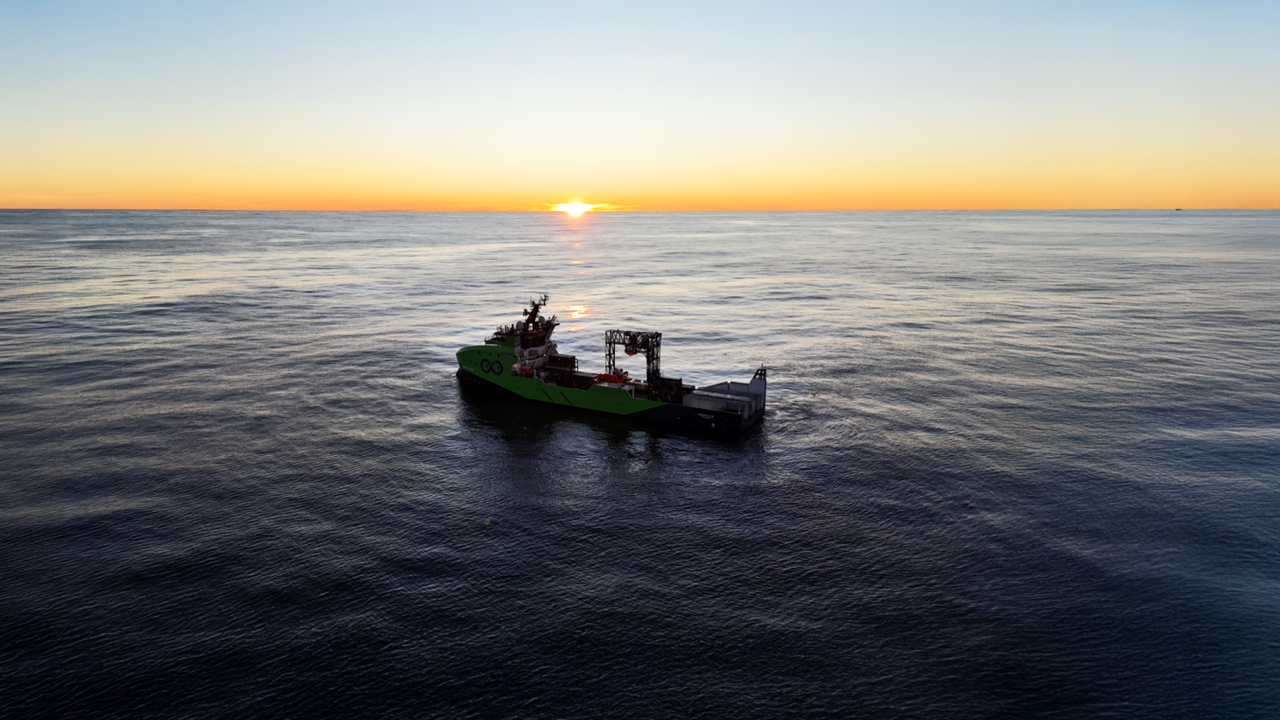
Beyond the tragedy itself, the MH370 search demonstrated a fundamental transformation in maritime operations: the future of search and rescue will increasingly depend on autonomous and unmanned technologies.
I. How advanced technology supports MH370 search
During the search operation, Ocean Infinity, a marine technology company specializing in advanced offshore solutions, deployed a fleet of autonomous underwater vehicles equipped with sophisticated underwater survey technologies.
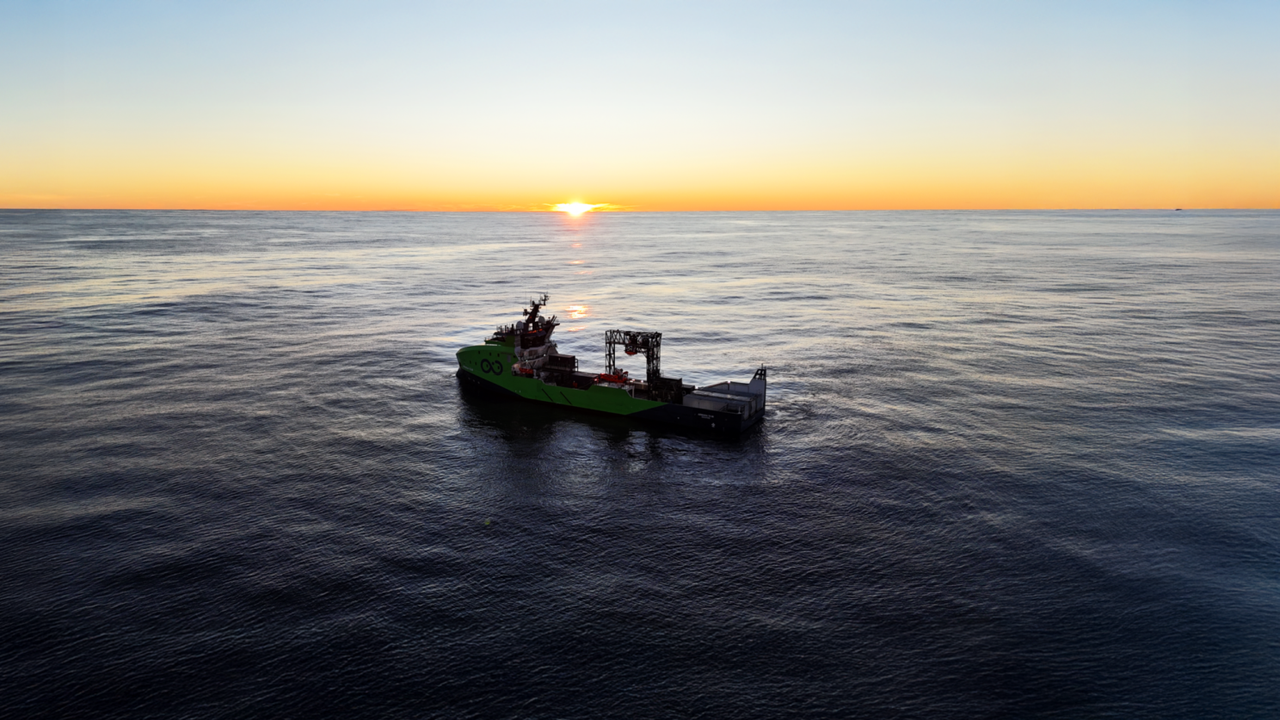
Photo/ Ocean Infinity Armada vessel in the Indian Ocean
Instead of simply “looking” for wreckage, these systems performed a detailed mapping mission of the seafloor, including:
1.1 Side scan sonar
Side scan sonar is suitable for rapidly scanning large areas of the seabed by continuously collecting acoustic images. Its high-efficiency coverage capability allows search teams to quickly identify potential targets and significantly improve the speed and effectiveness of maritime search operations.
1.2 Multibeam echosounder
Multibeam sonar provides accurate three-dimensional maps of the seabed, revealing underwater mountains, slopes, valleys, and other geological features that could affect the search process.
1.3 Synthetic aperture sonar
SAS technology further improves detection capability by producing higher-resolution images of the seabed, allowing operators to identify smaller objects over large search areas.
1.4 Sub-bottom profilers and other sensors
SBP helps analyze sediment layers and detect objects that might have partially sunk into the seabed. Other sensors include magnetometer, HD camera, CTD, and turbidity sensor.
II. Growing role of unmanned systems in maritime operations
The MH370 search was a powerful example of how unmanned technology can support missions that are difficult, dangerous, or expensive for humans to perform.
Today, unmanned surface vehicles USVs, and AUVs are becoming increasingly important in many maritime applications, including:
Search and rescue missions;
Hydrographic surveying;
Offshore infrastructure inspection;
Environmental monitoring;
Disaster response;
Port and coastal security.
III. A future built around collaboration between humans and machines
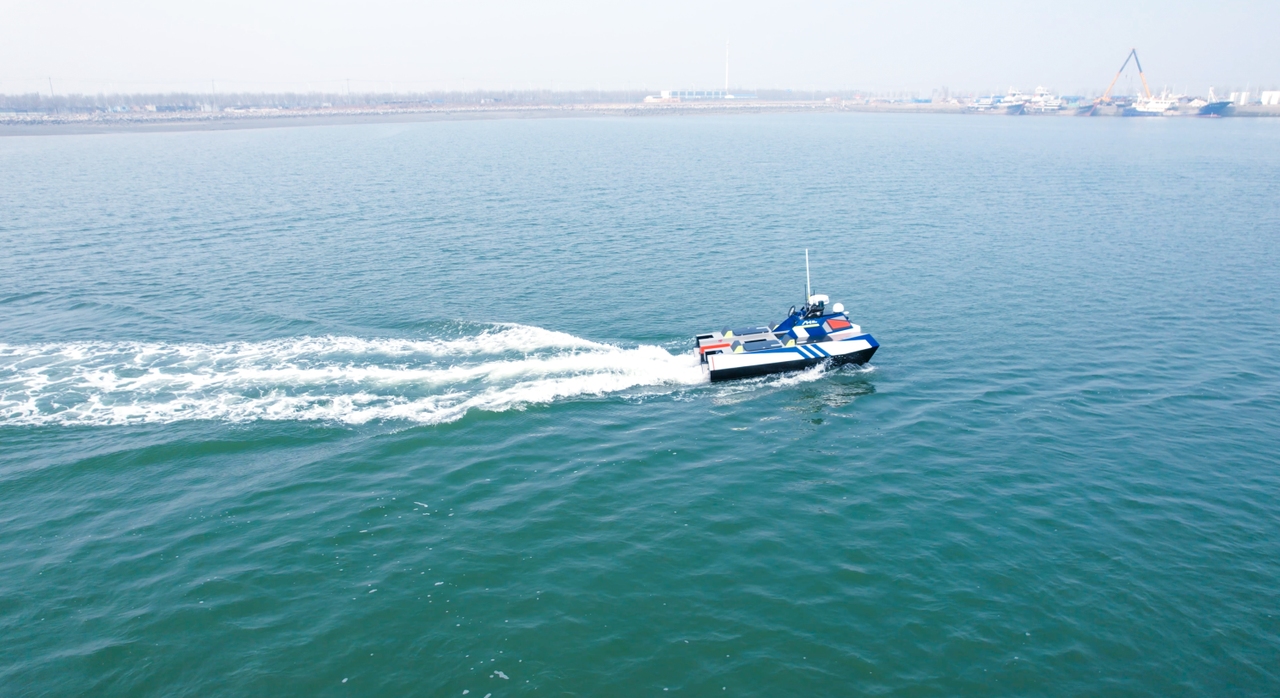
Photo/AquaHelpers Seeker USV at Bohai Sea
The future of maritime search and rescue will not be about replacing humans. Instead, it will be about creating a stronger partnership between human expertise and autonomous technology.
Human operators will continue to make strategic decisions, interpret complex situations, and coordinate rescue efforts. Autonomous systems will provide the persistence, precision, and operational capability needed to explore environments that were previously difficult to access.
As a company focused on unmanned maritime solutions, we believe autonomous vessels will play an increasingly important role in building safer, smarter, and more efficient oceans.
The lessons from MH370 remind us that the ocean remains one of the most challenging environments on Earth. But with continuous innovation in autonomous navigation, underwater sensing, and marine robotics, we are moving toward a future where no search area is beyond our reach.