
All-weather low cost
Realize all-weather monitoring and management, avoiding the waste of human resources.
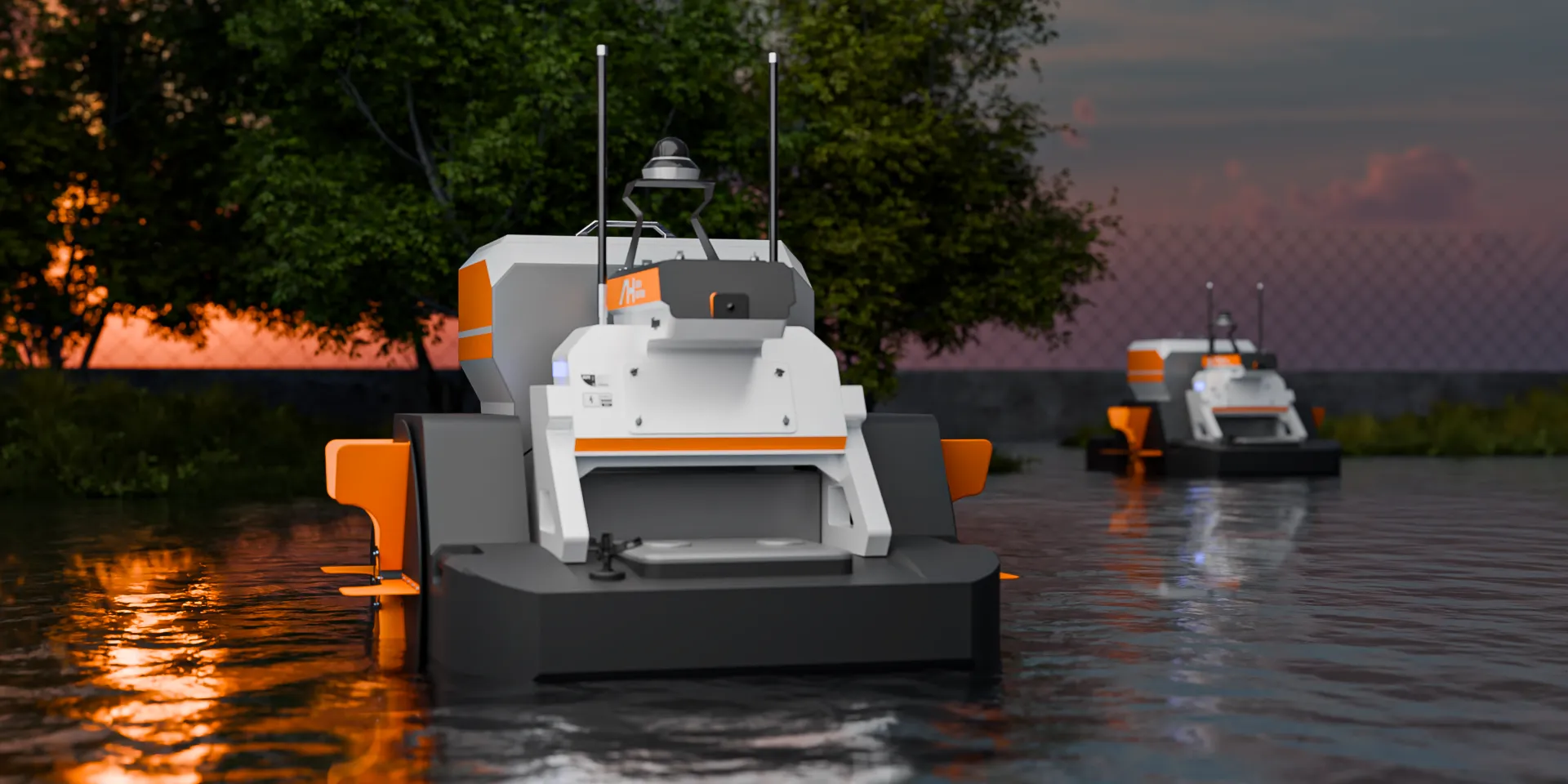
With excellent autonomous navigation and path planning capabilities, USVs not only realize the functions of traditional fisheries monitoring and supervision, but also make up for the shortcomings of high cost and low efficiency of manual supervision, broadening the scope of USVs in the fisheries industry and showing great potential for application.
The USV is able to carry a multi-parameter water quality monitor, CTD and other instruments and equipment, and carry out continuous water quality parameter measurements, such as pH, temperature, dissolved oxygen, salinity, chemical oxygen demand and other indexes, which can detect water quality abnormalities in a timely manner and carry out early warning of diseases, significantly reducing the breeding losses and improving the breeding efficiency and yield.
Realize all-weather monitoring and management, avoiding the waste of human resources.

Effectively solve the issue of slow and uneven manual spreading and improve feed utilization. Precise control of feeding volume and frequency, avoiding overfeeding and waste of feed.

Real-time monitoring of water quality and fish health, timely detection of problems and take measures to reduce the incidence of disease and mortality.
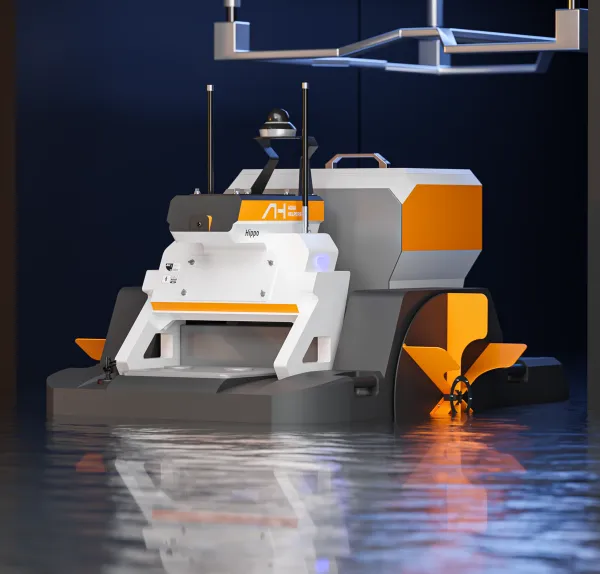
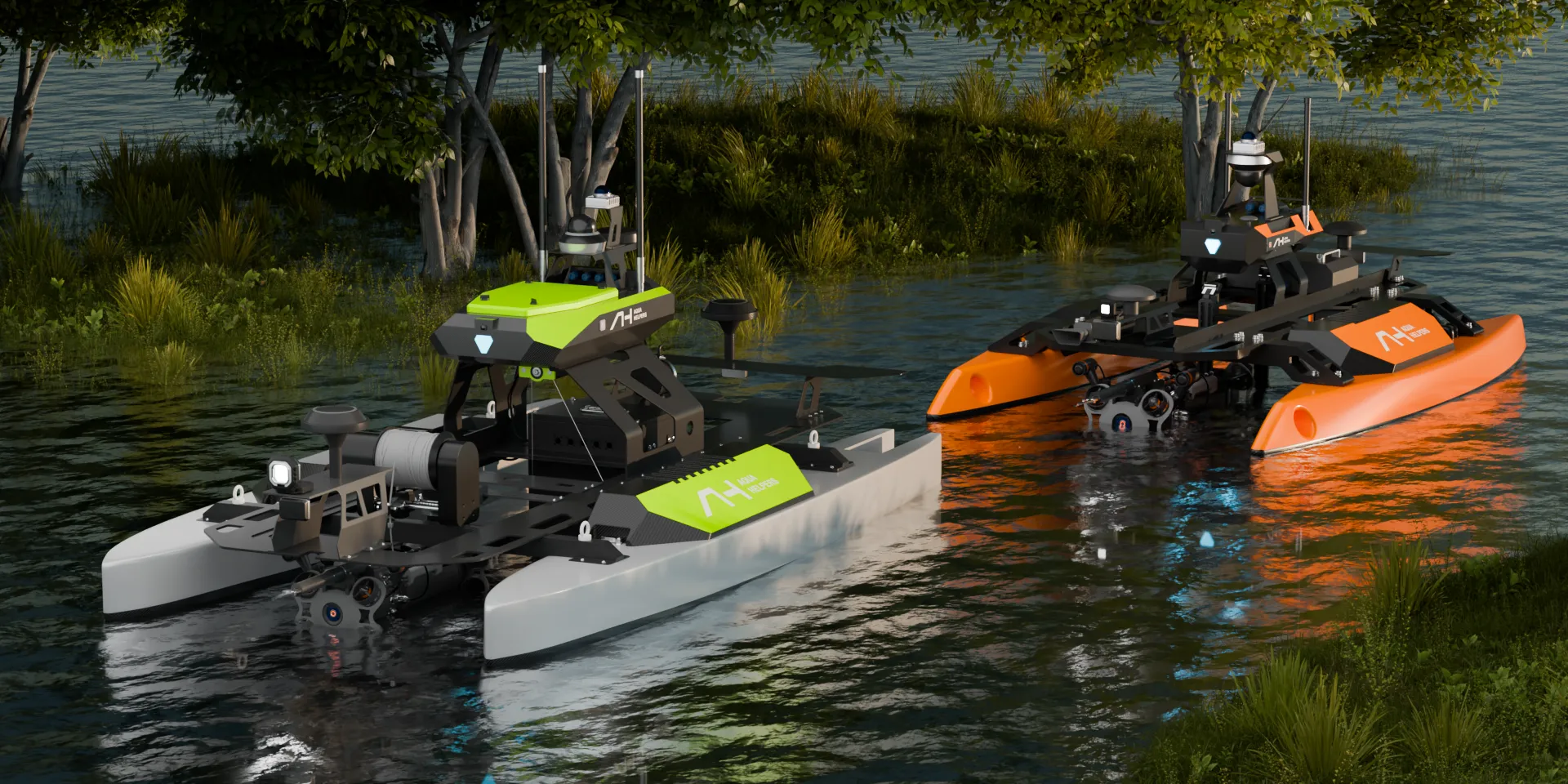
The solution is carried out by the Hippo USV, which integrates the feed and pharmaceutical spreading module, realizing precise and synchronized dispensing of both feed and pharmaceutical, opening up a new way for refined breeding.
Equipped with advanced sensing devices, Hippo is able to collect real-time and accurate data on water temperature, water quality, dissolved oxygen and other core fishery indicators, and transform these data into digital files, providing solid data support for subsequent accurate fishery management and promoting scientific decision-making by farmers. In addition, Hippo has a sturdy hull structure that can support up to 6 hours of continuous navigation. Its control system achieves centimeter-level accuracy, supplemented by dual obstacle avoidance functions of image and radar, ensuring safe and efficient operation. The boat is also equipped with a large-capacity feed bin and a self-developed centrifugal dumping tray, which realizes intelligent control and ensures accurate and efficient feed spreading.
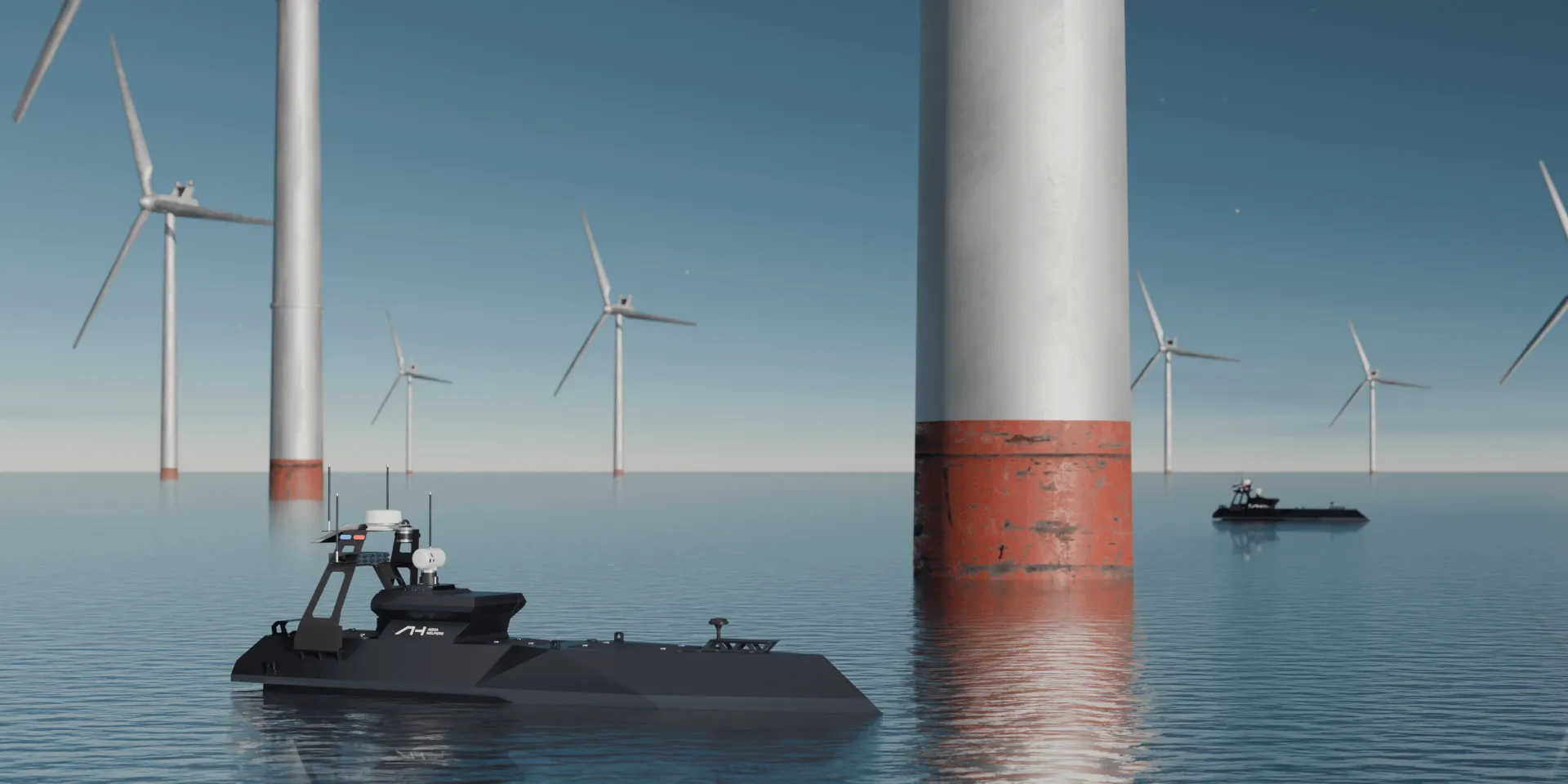 Marine Survey
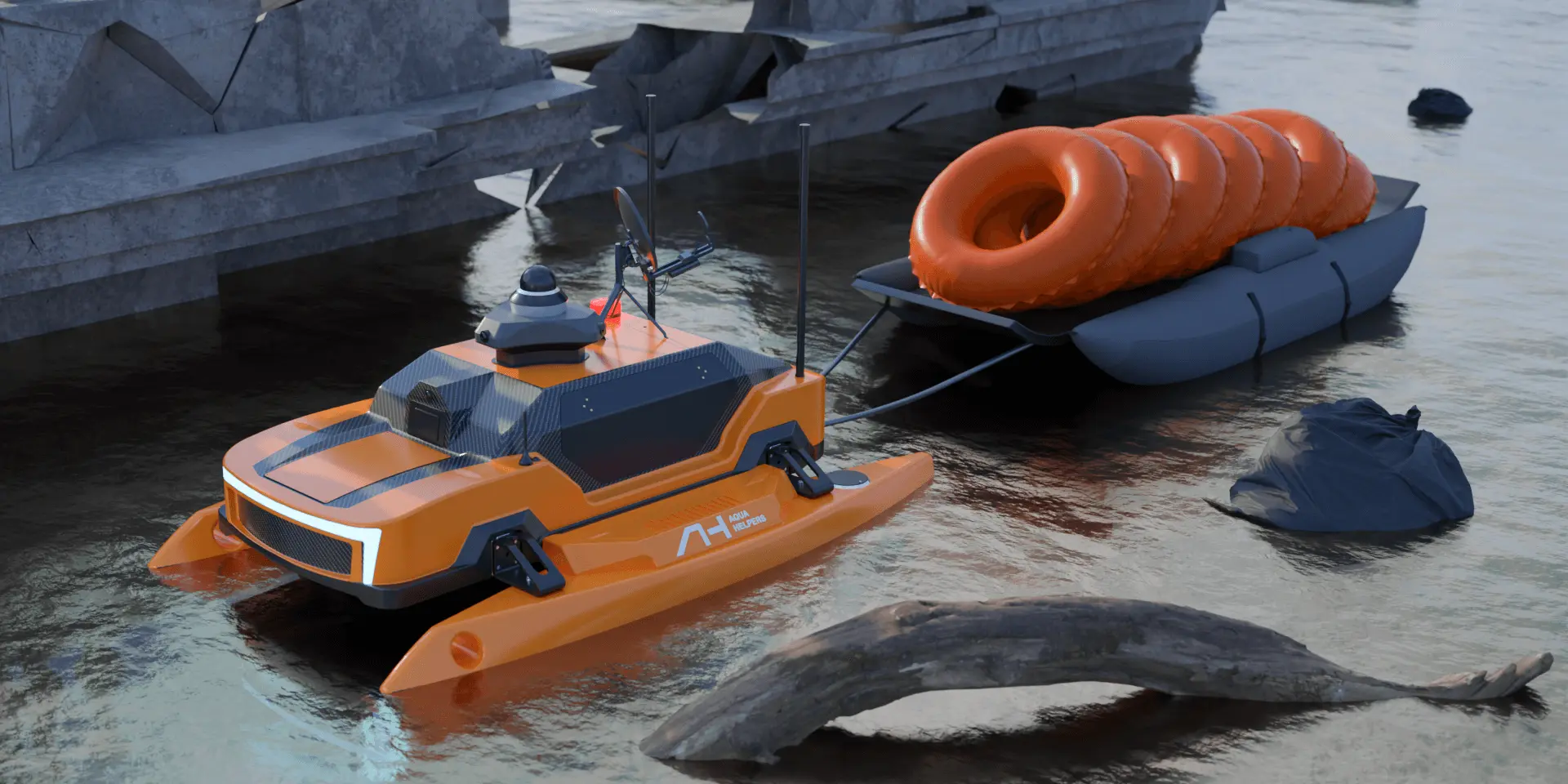 Emergency Rescue
 Hydrological Survey
