
Safety
Manta USVs do not require personnel to be directly involved in sea operations, reducing risks. Manta has the ability to operate in sea state 3 and surviving sea state 4, and has no fear of bad weather.
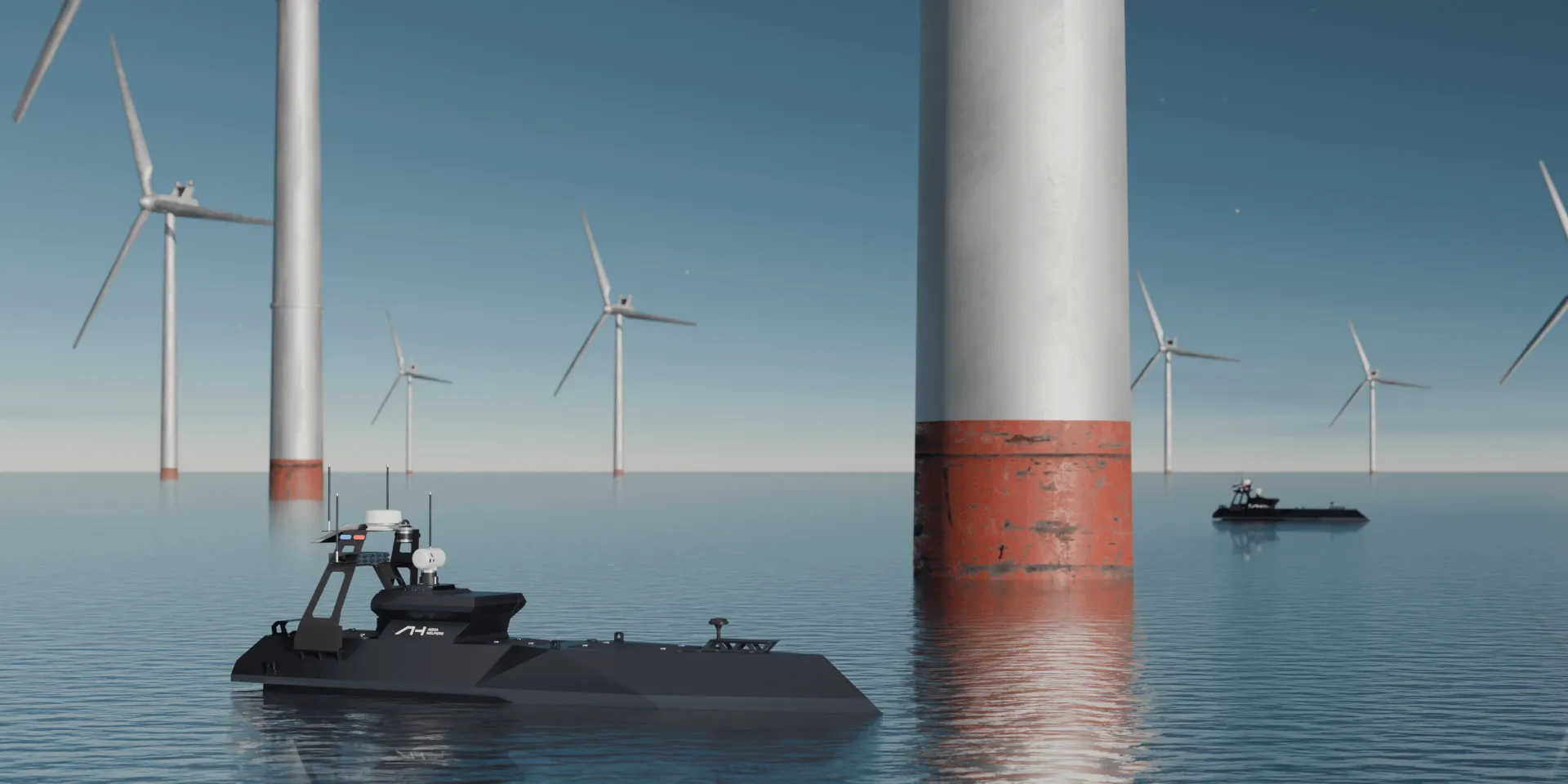
The USV marine survey solutions, USV carrying out marine environment monitoring and data collection, to realize all-round, multi-level and high-precision surveys of the marine environment through the integration of a variety of sensors and survey equipment.
The multibeam bathymetric system carried by the USV measures the seafloor topography in real time and generates high-resolution seafloor geomorphology data. Water quality monitoring sensors collect key parameters such as seawater temperature, salinity, dissolved oxygen and nutrient salt concentration, providing basic data for marine ecological research.
Manta USVs do not require personnel to be directly involved in sea operations, reducing risks. Manta has the ability to operate in sea state 3 and surviving sea state 4, and has no fear of bad weather.

Manta can continuously and for a long time carry out marine operations and stationary patrols, and supports 24-hour uninterrupted operation, which greatly improves the efficiency of marine investigation.

Manta, with autonomous navigation, remote control and stability of the USV, to adapt to the complex marine environment, to ensure the smooth progress of the survey mission. The use of satellite communications and wireless network technology to realize real-time data transmission and backup of the USV in the process of marine survey.

Manta can support most of the mainstream multi-beam sonars, navigating flow velocity monitor, CTD, magnetometer and other marine survey instruments. It can be applied in port patrol, offshore law enforcement, fishery supervision, underwater modeling, wind power pile scour detection, oil pipeline sweeping survey, cable laying scanning, and many other application scenarios.
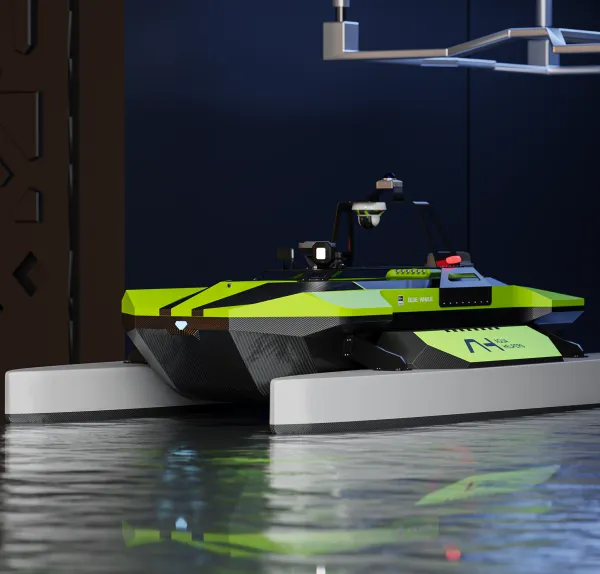
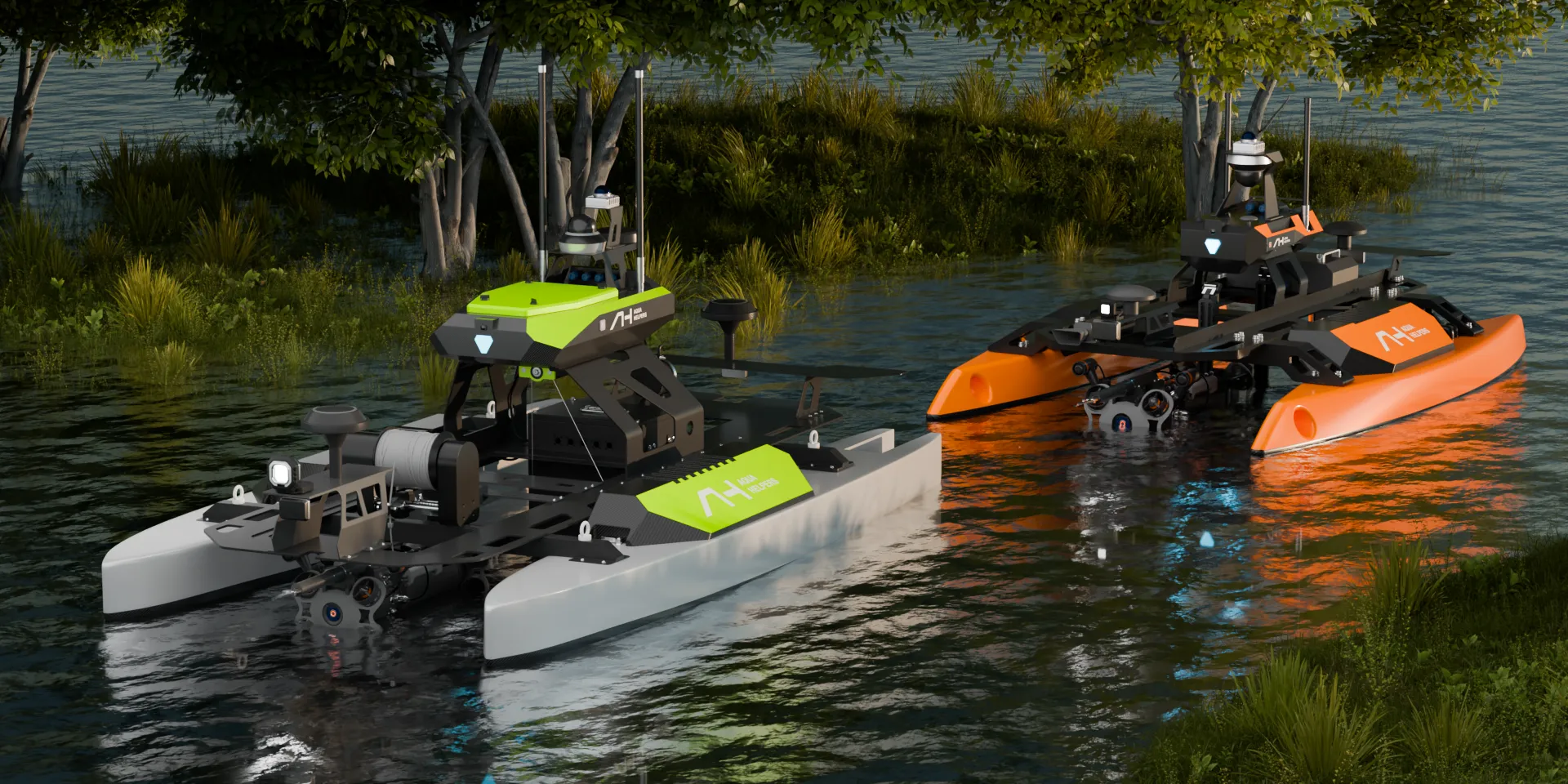
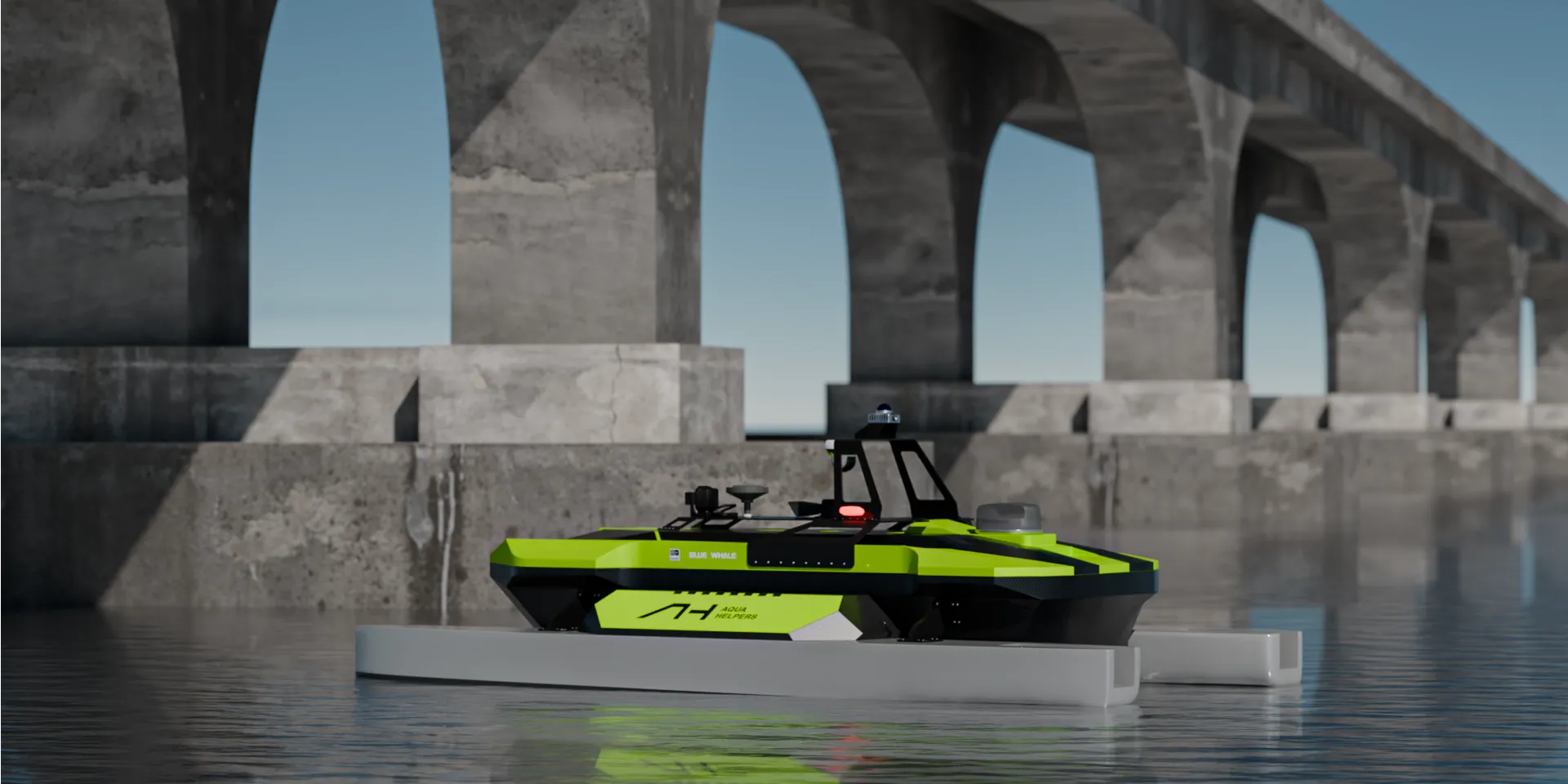
The solution adopts Bluewhale and Manta USVs, which are equipped with a high-precision navigation system and a sensor suite, and are able to follow a preset route to deep-sea areas that are difficult to reach manually. The hull is constructed of corrosion-resistant materials to ensure stable operation in harsh sea conditions.
Manta achieves excellent stable performance with its unique design. At the same time, Manta shows excellent maneuverability and can operate flexibly in complex queues to ensure efficient mission execution. With its strong loading capacity, it can carry a variety of scientific instruments and equipment to meet the diversified needs of ocean exploration. The highly intelligent equipment ensures the accuracy and reliability of the USV during autonomous operation, providing solid technical support for marine scientific research, environmental monitoring and other fields.
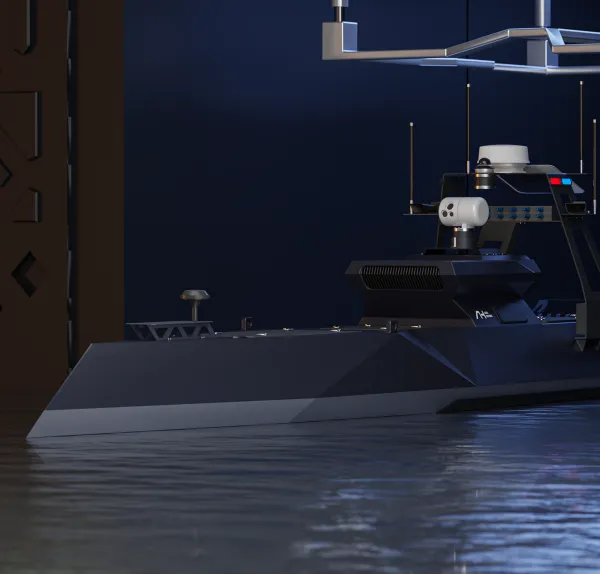
AquaHelpers USVs can carry marine observation, survey and inspection payloads for nearshore projects, port maintenance, coastal monitoring and marine engineering support.
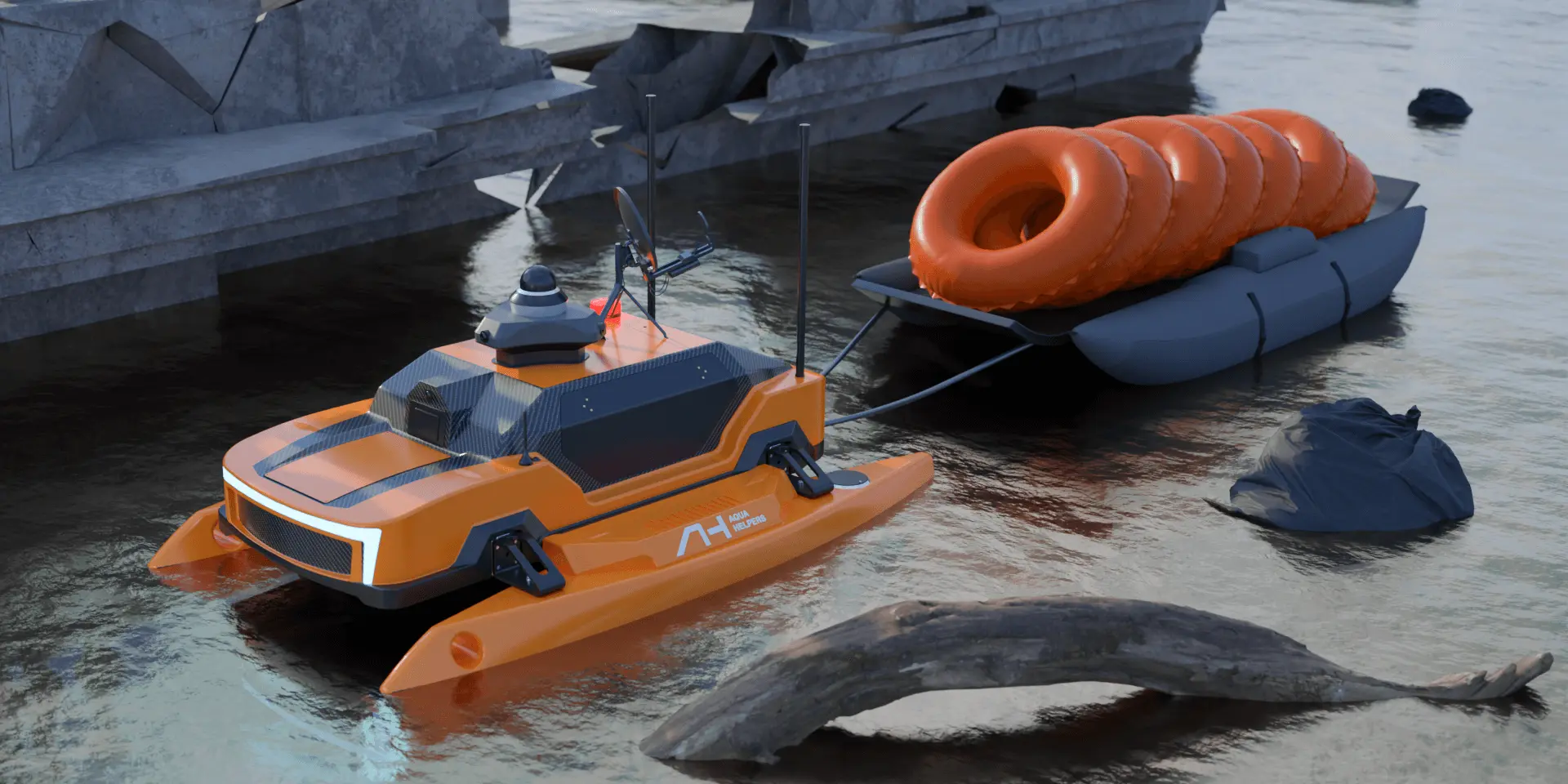 Emergency Rescue
 Hydrological Survey
 Smart Water Conservancy
