Feed-Spreading USV

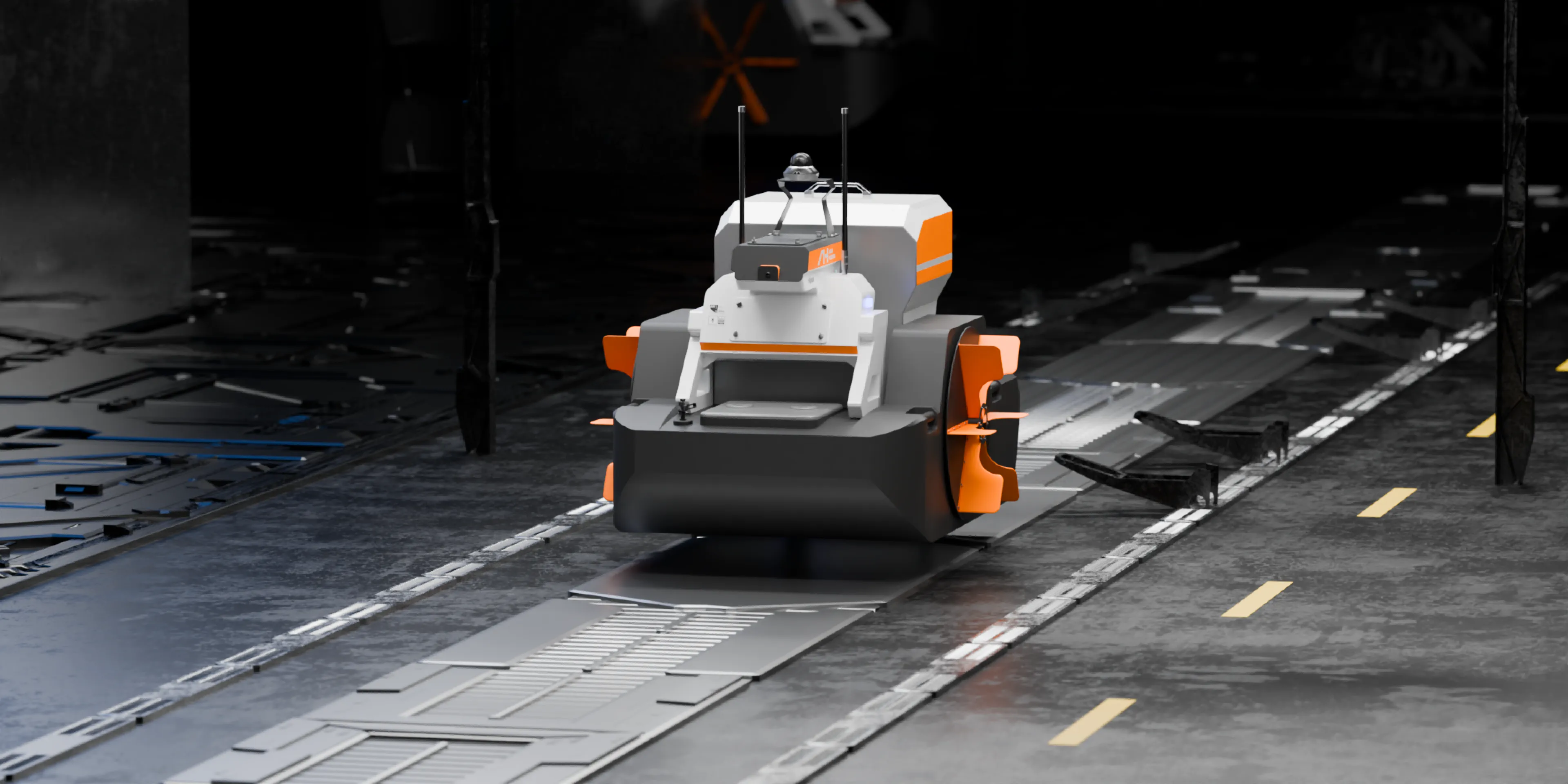
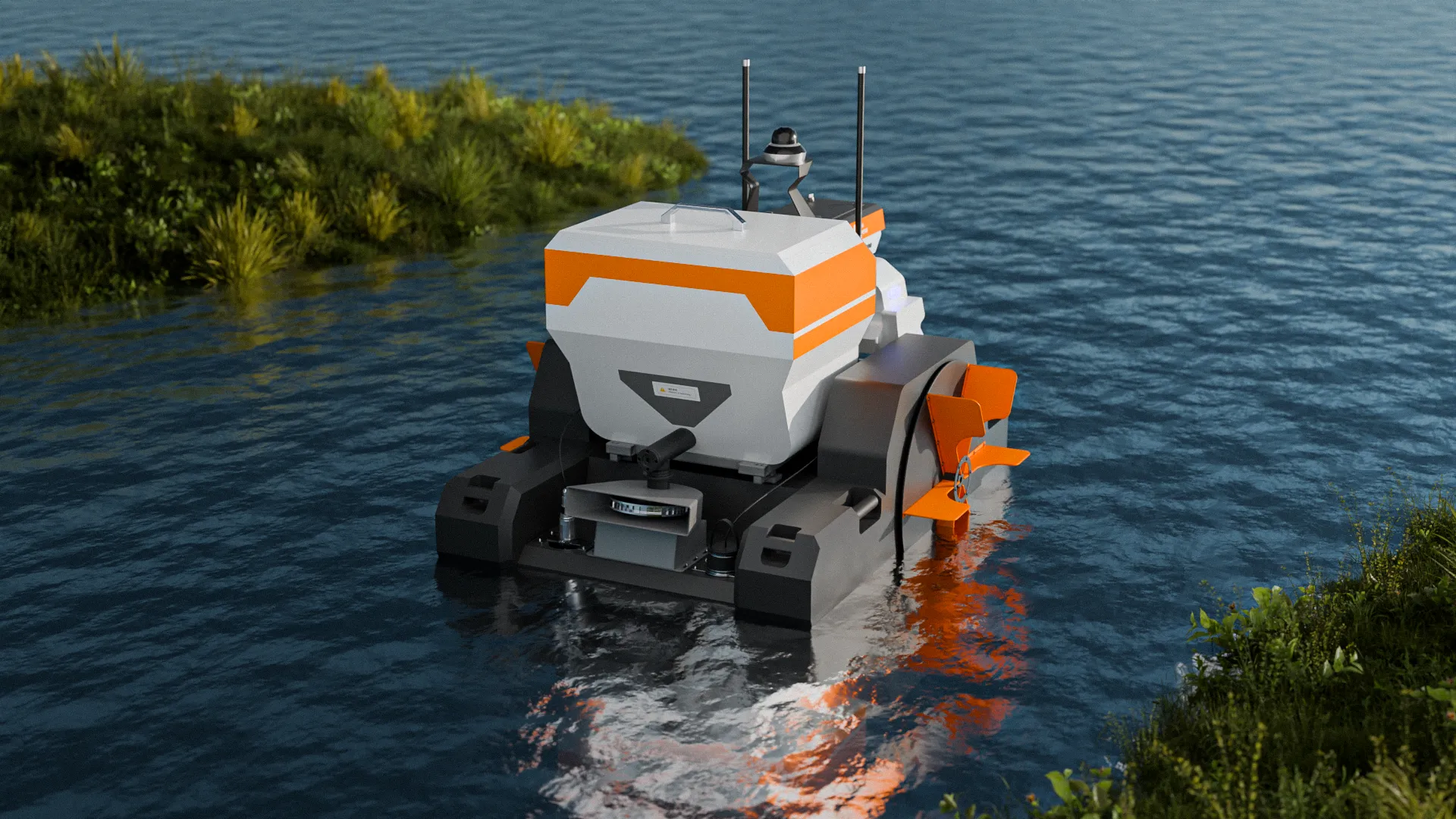
HIPPO Feed-Spreading USV
Unmanned vessel for precision feeding and smart aquaculture.

Endurance 6 hours
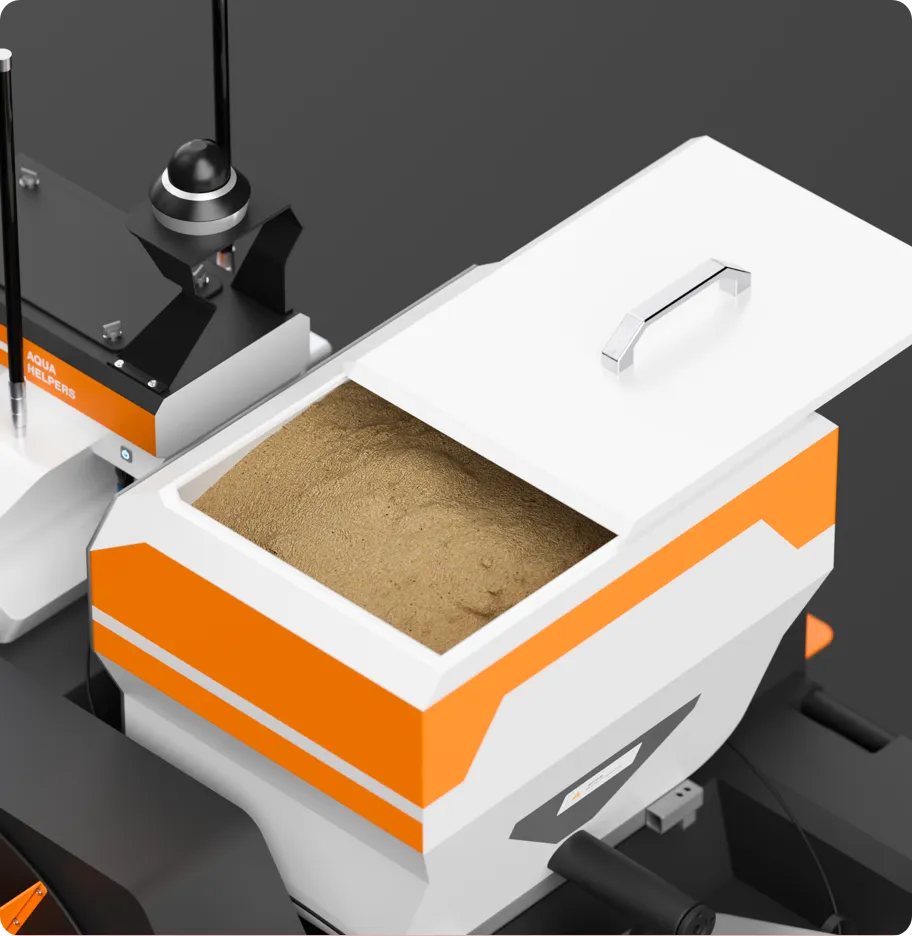
Large-capacity feed bin
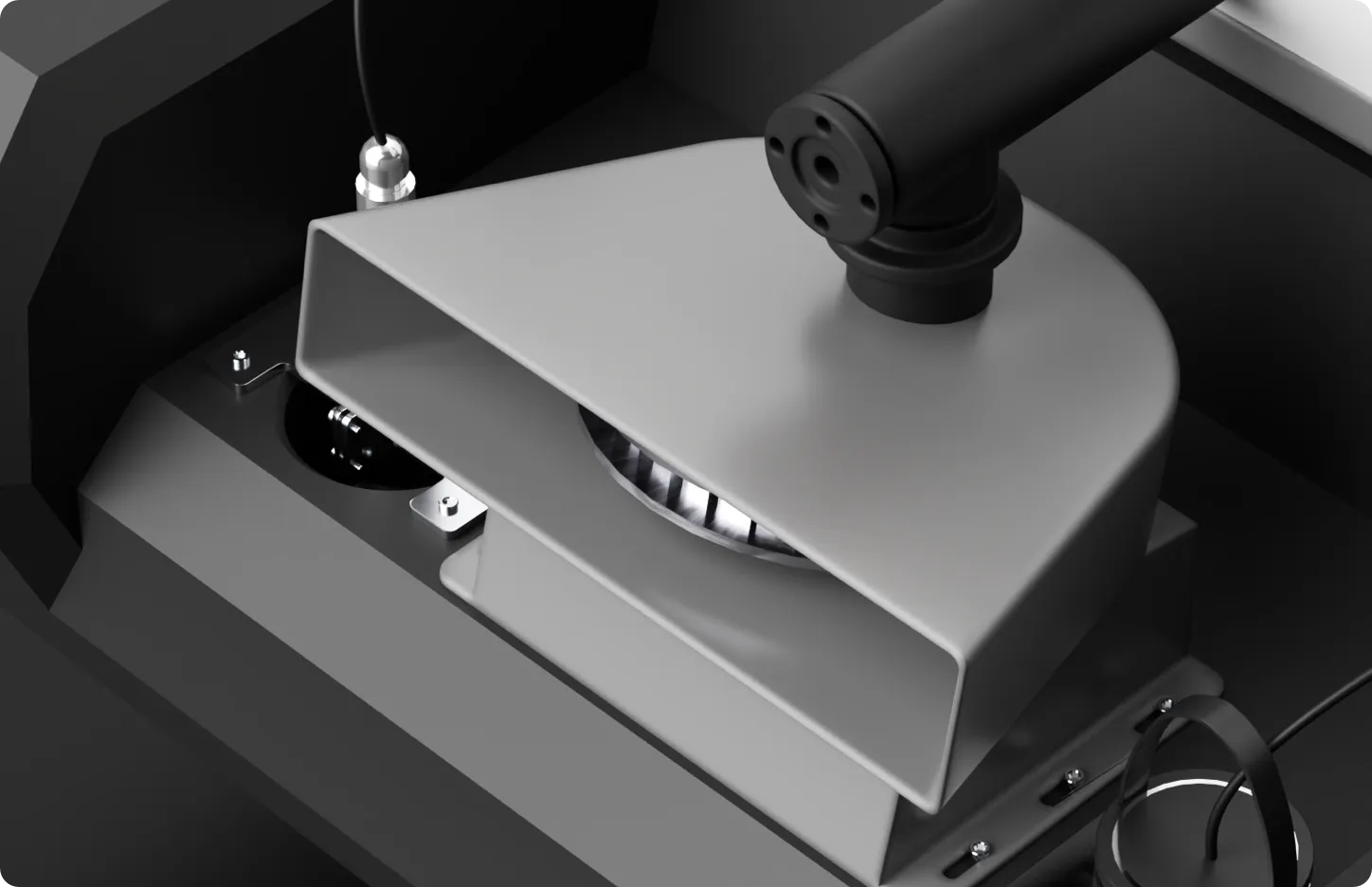
Self-developed centrifugal discs
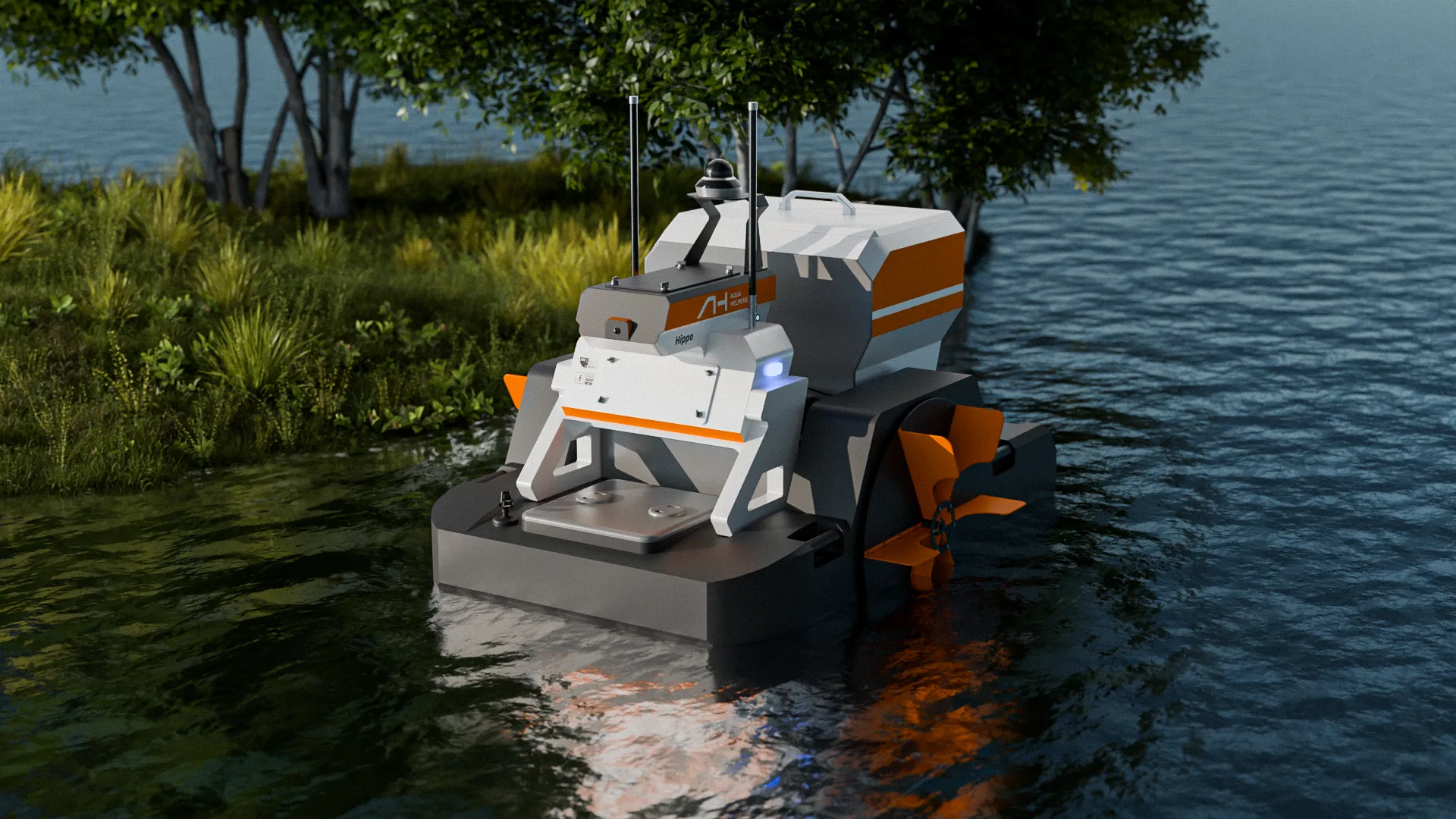
Appearance Design
Strong both internally and externally.
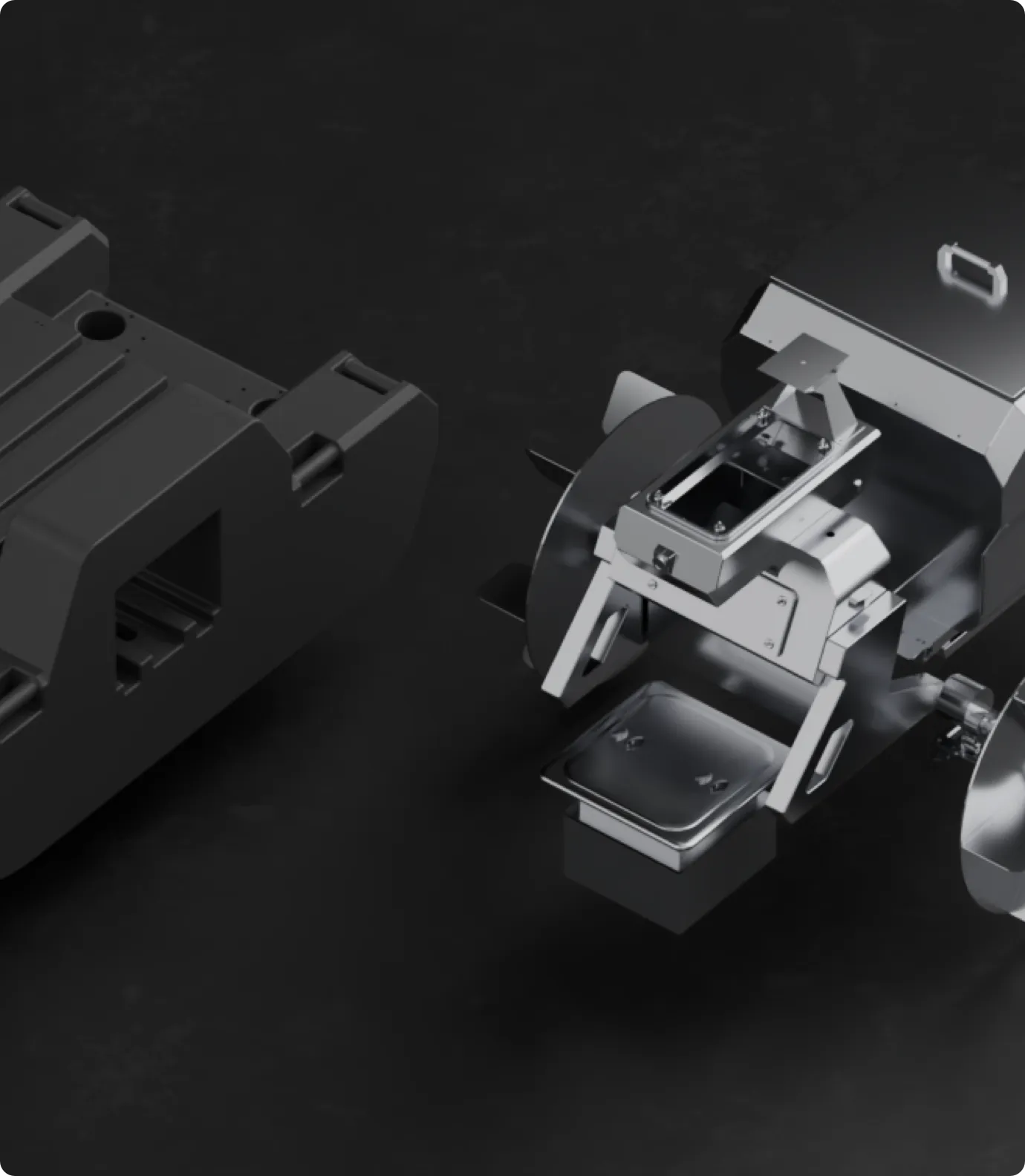
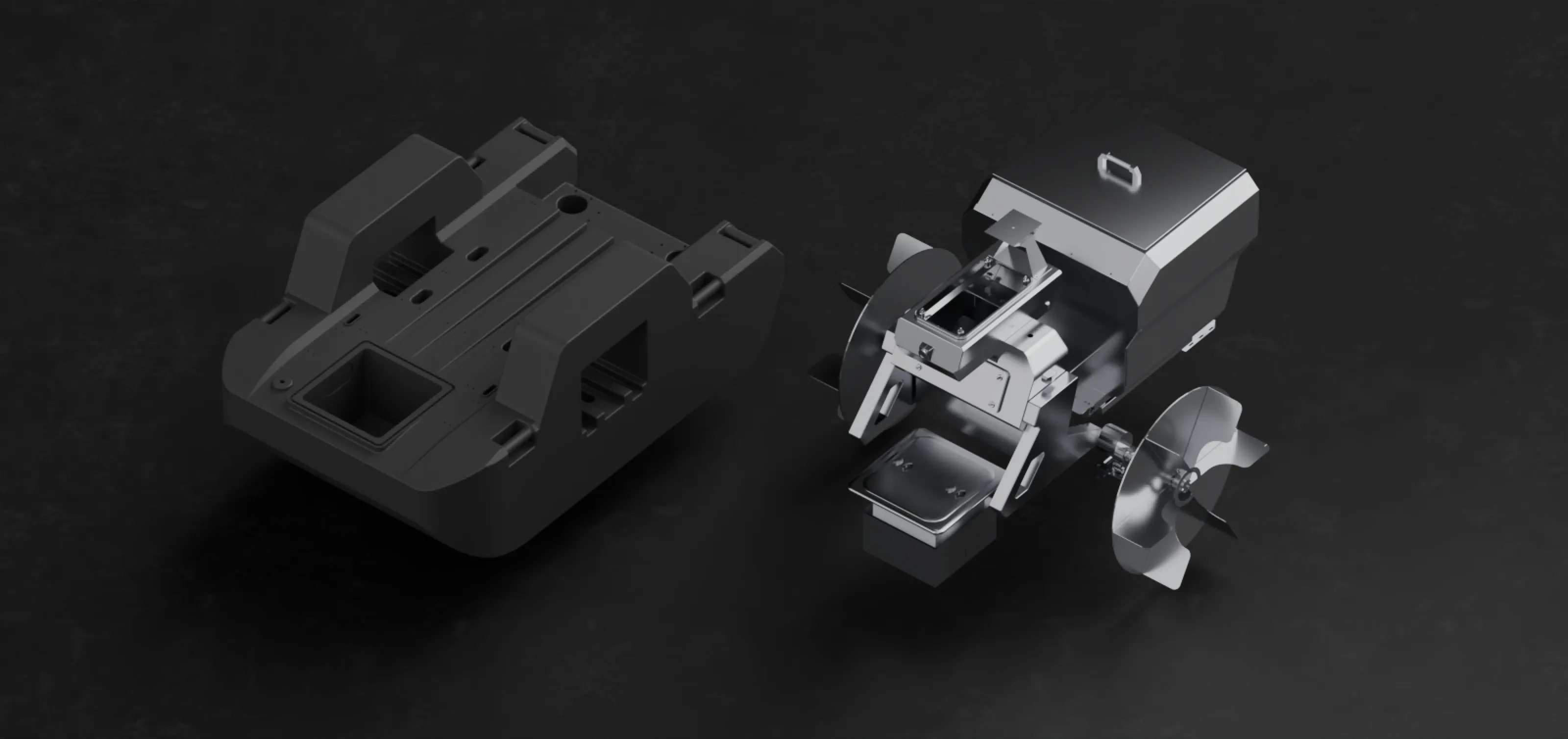
Sturdy hull for structural stability and reliability.
The hull is made of high-quality aluminum alloy, guaranteeing structural integrity and stability to ensure reliable mission performance.
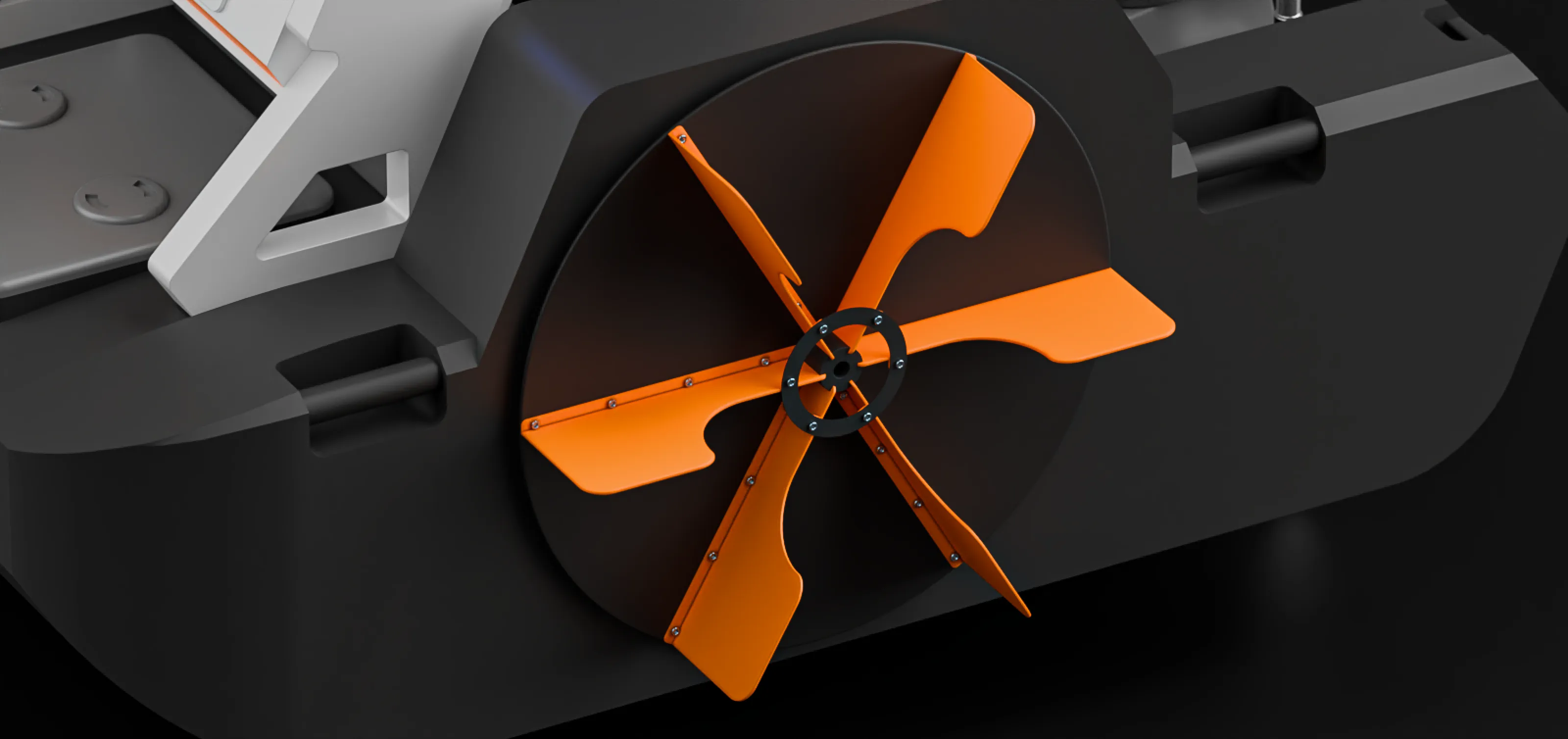
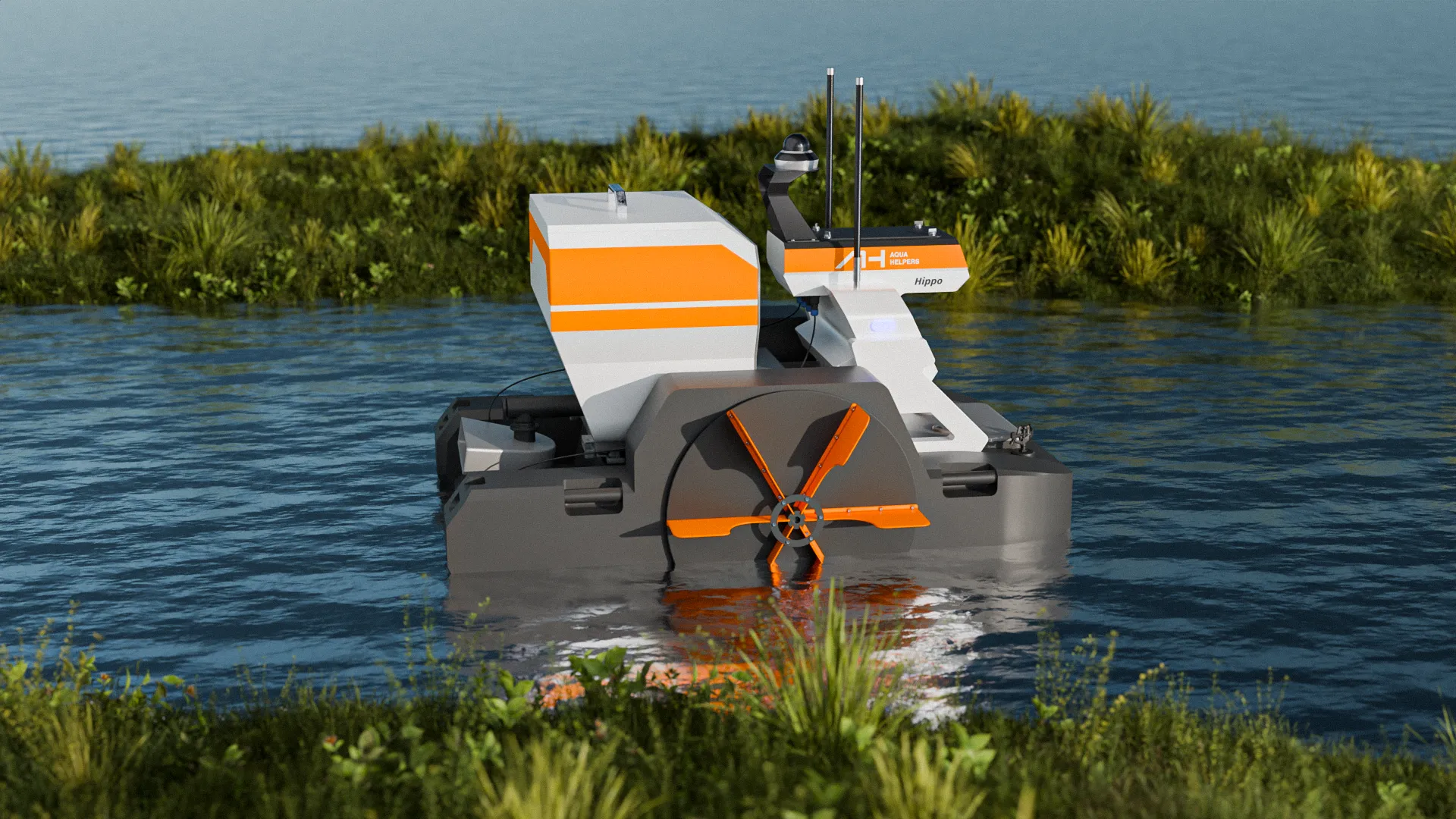
Paddle-wheel drive design for efficiency and power.
The six-blade paddle-wheel design enables immediate start-up and efficient power transmission, improving sailing stability and precise feed delivery.
High-precision feed spreading, applicable to multiple scenarios
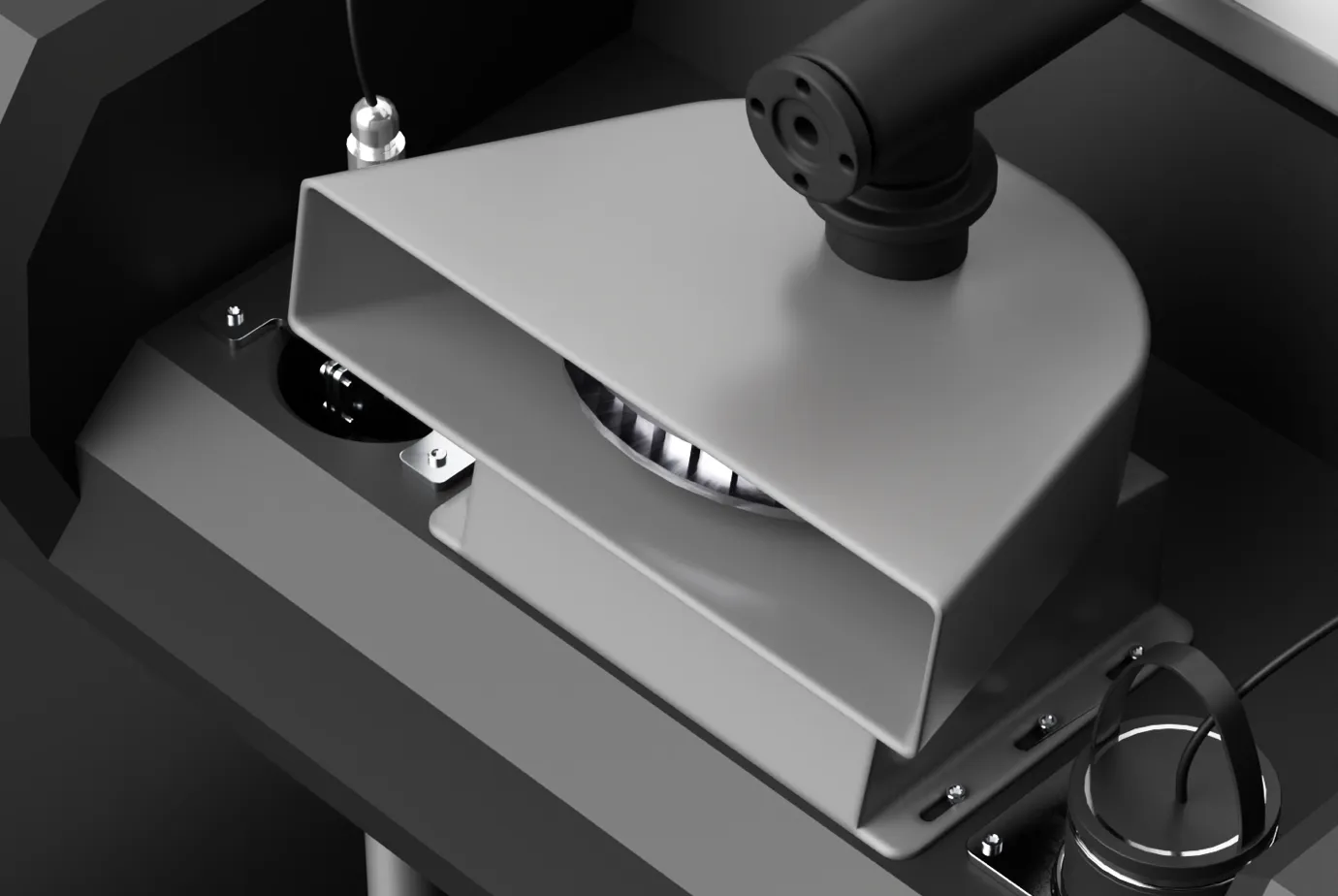
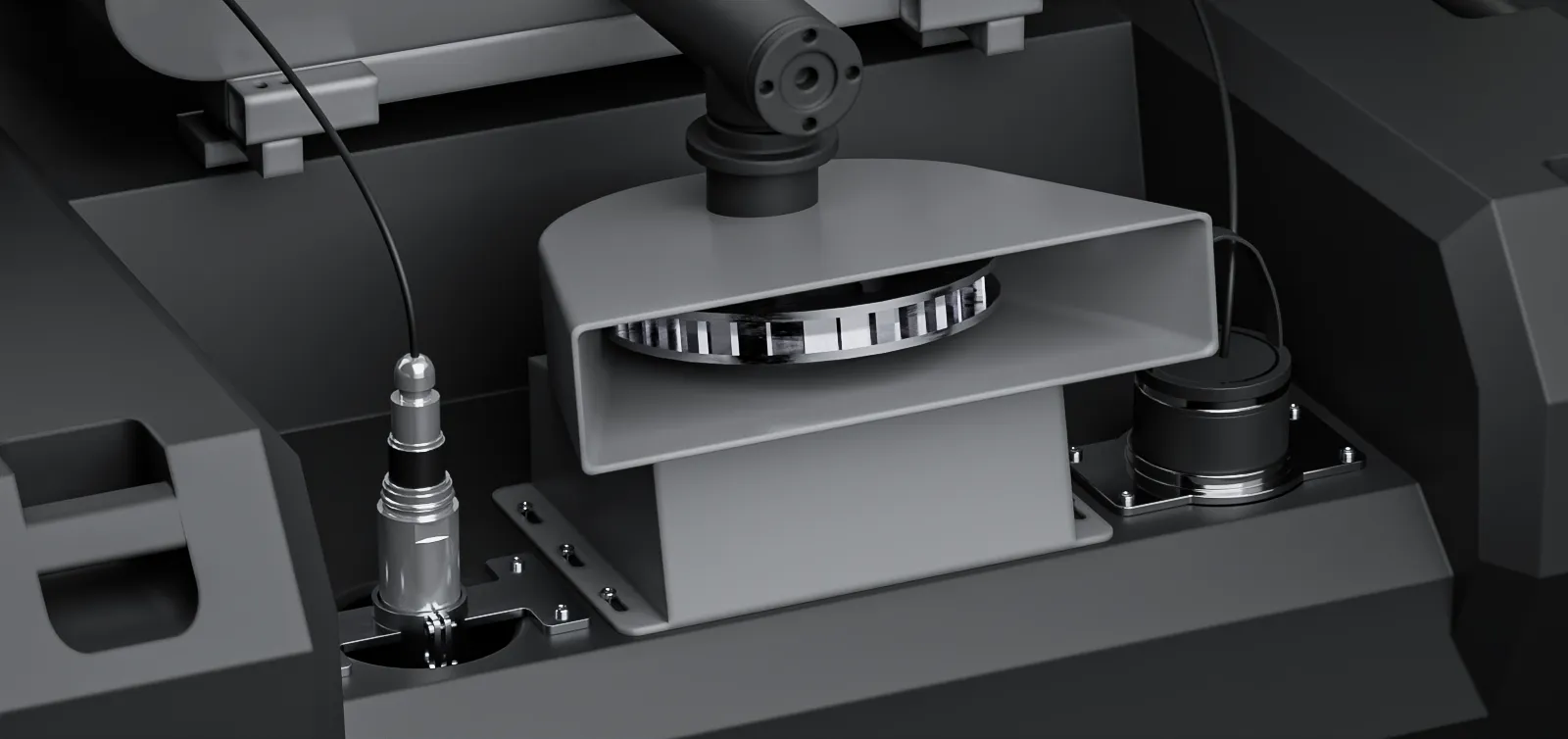
Self-developed centrifugal discs
Sowing System 1.0HIPPO Feed Spreading USV adopts a unique self-developed centrifugal disc structure, keeping feed integrity as high as 97% during disc operation and achieving a spreading width of 10-20 meters.
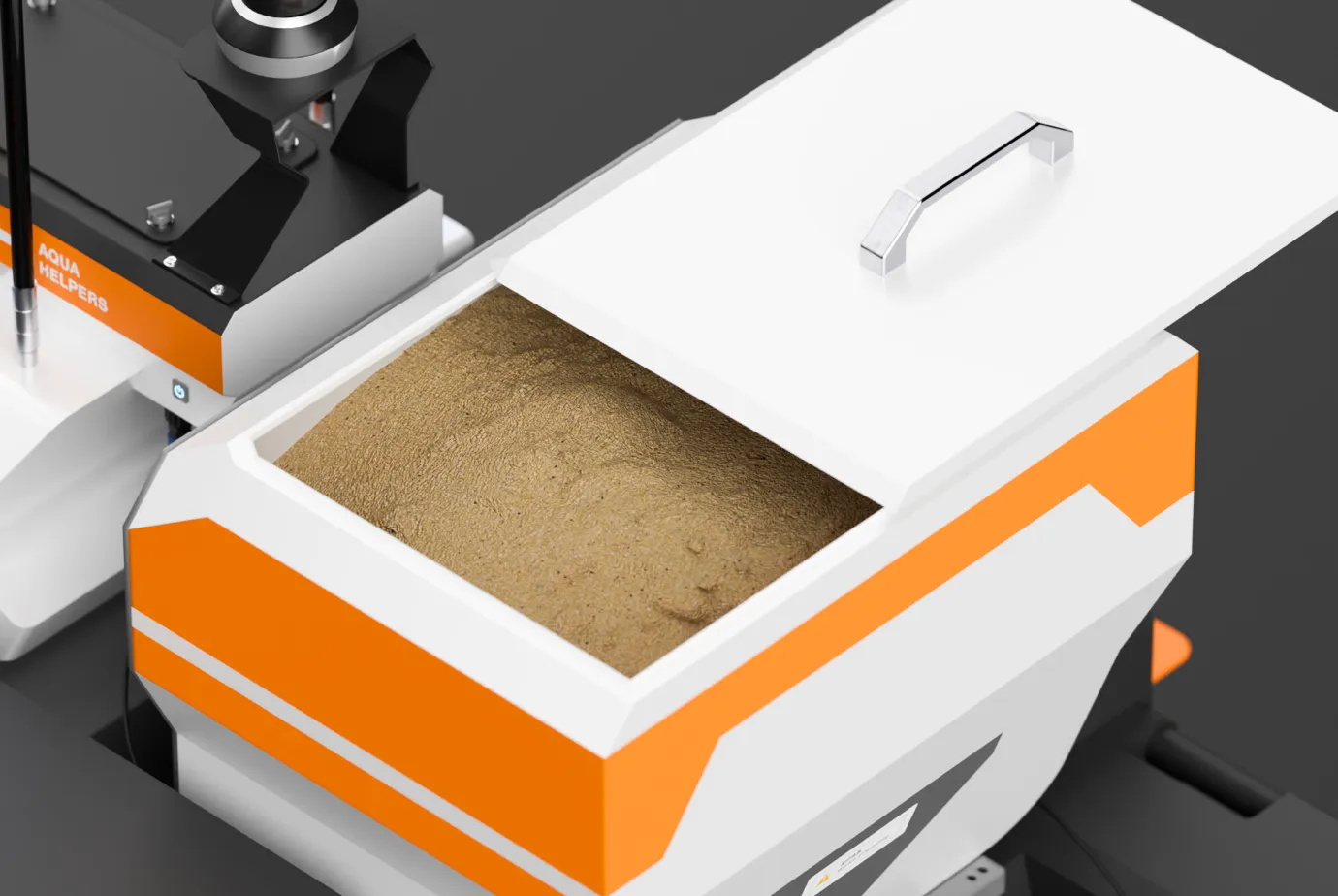
Large capacity feed bin
Sowing System 1.0HIPPO is equipped with a 16L medicine bin and a 190L large-capacity feed tank, with built-in automatic mixing and intelligent spreading strength adjustment during sailing.
Professional Strength
Smart water quality test,
refined aquacultural operations.
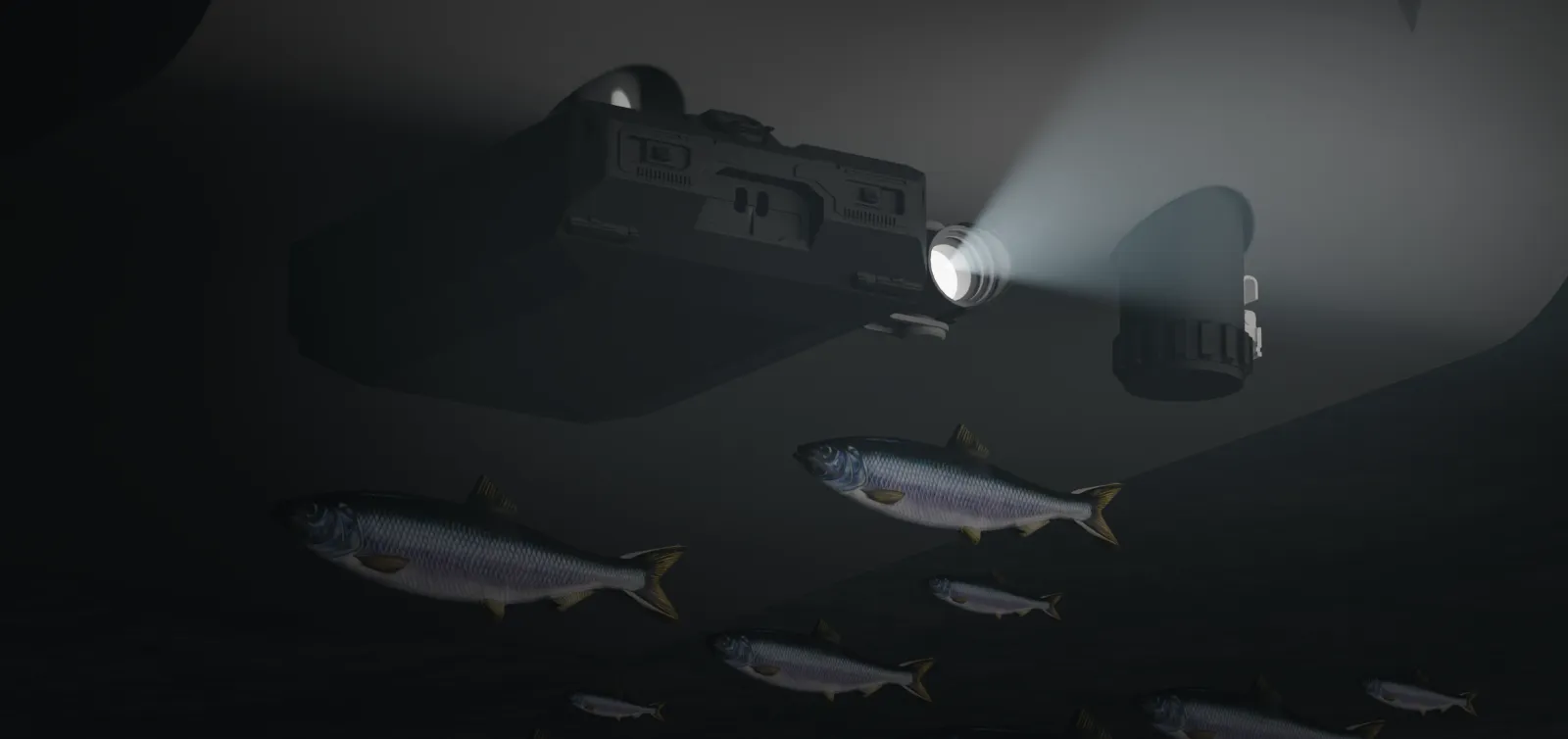
Unique underwater view to enhance farming efficiency.
The USV is equipped with high-definition cameras, which can provide real-time and accurate visual information for aquaculture management.
Flexibility to match multiple instruments.
HIPPO can be equipped with a variety of high-precision monitoring instruments, providing real-time and comprehensive data support for aquaculture environments.
Powerful Strength
Durable and sturdy, a choice of quality.
HIPPO Basic Specifications
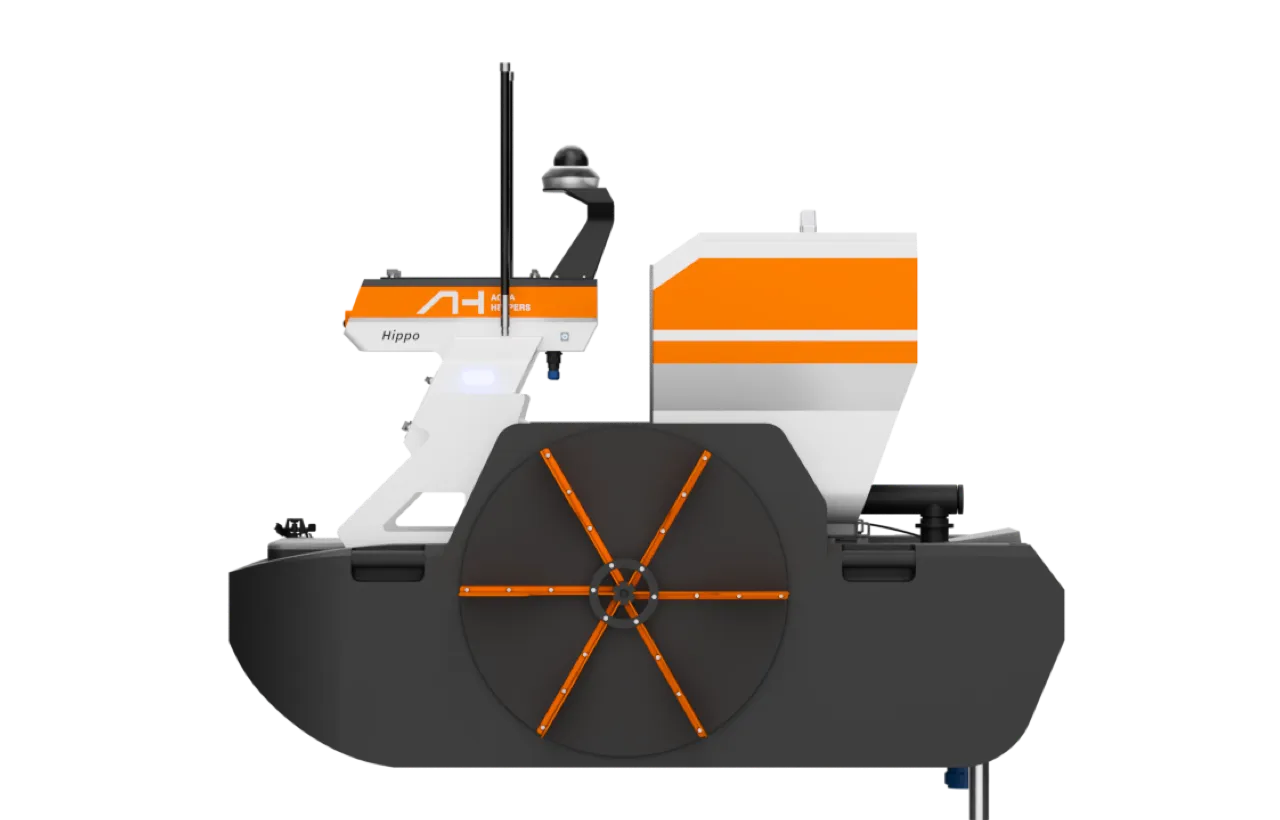
- Hull Material
- Polyethylene and aluminum alloy
- Hull Dimensions (mm)
- 1794 x 1495 x 1542
- Hull Weight
- 140 kg
- Maximum Load
- 400 kg
- Draft
- 250 mm
- Operating Speed
- 2 m/s
- Endurance
- 6 h
- Propulsion Mode
- Paddle-wheel drive
- Feed Bin Capacity
- 190 L
- Medicine Tank Capacity
- 16 L
Configurations may vary by model. Final project specifications should follow the actual technical proposal.