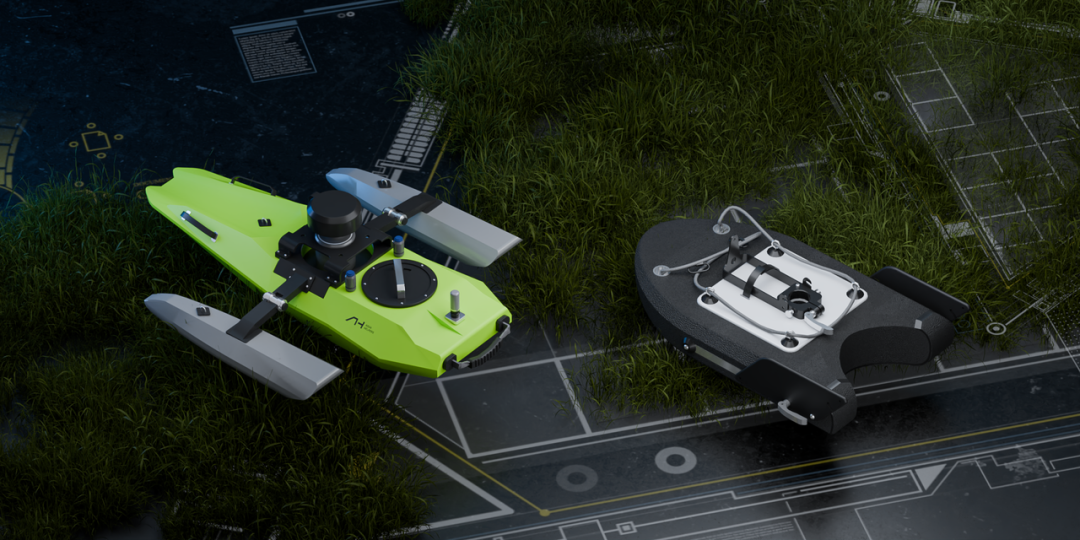
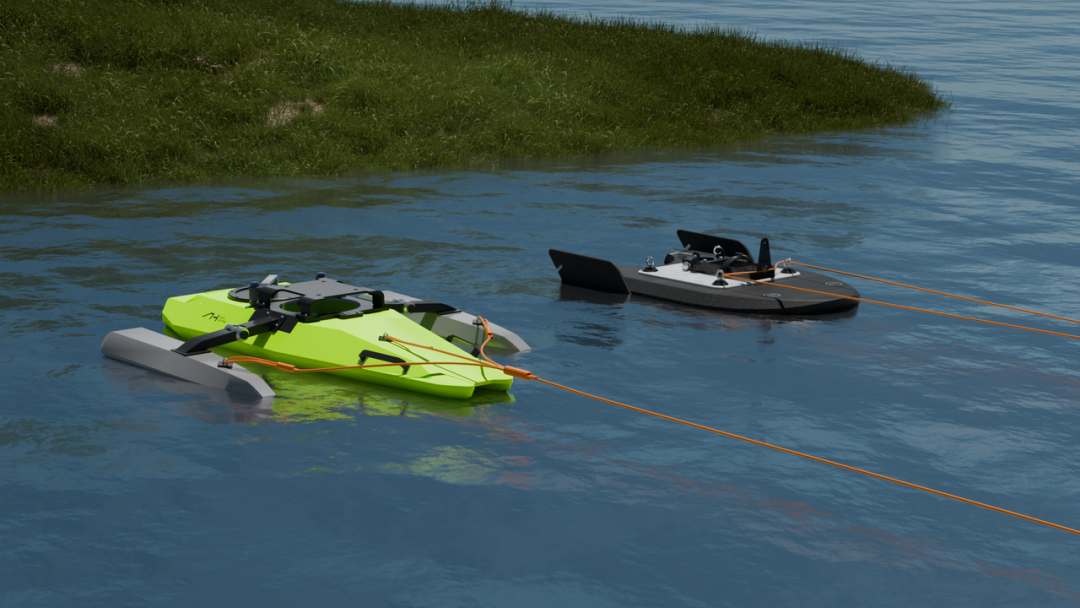
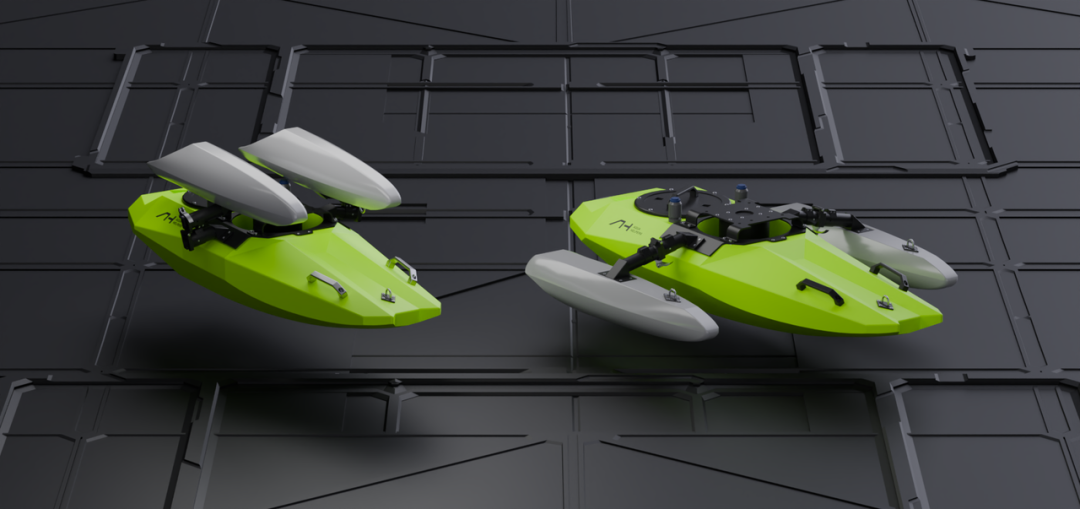
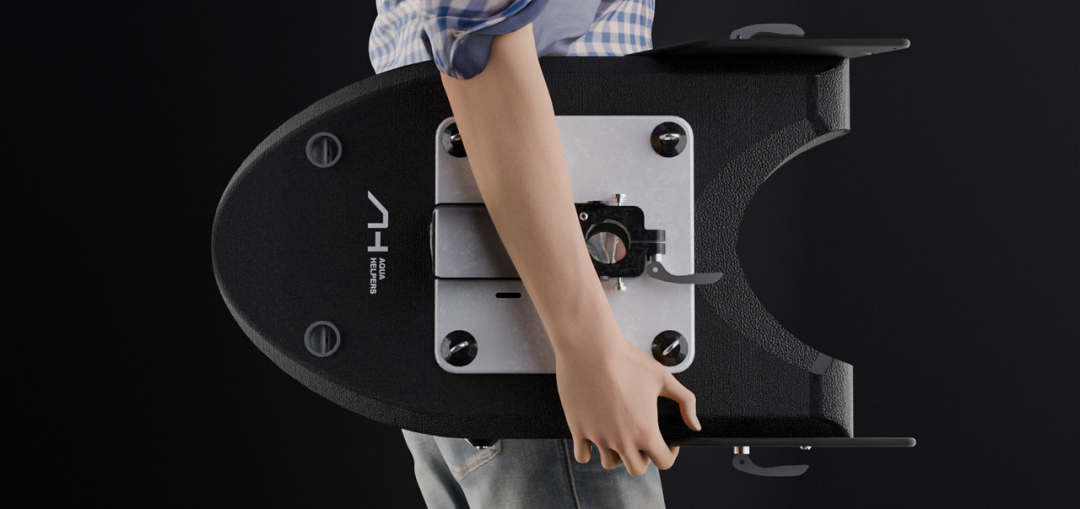
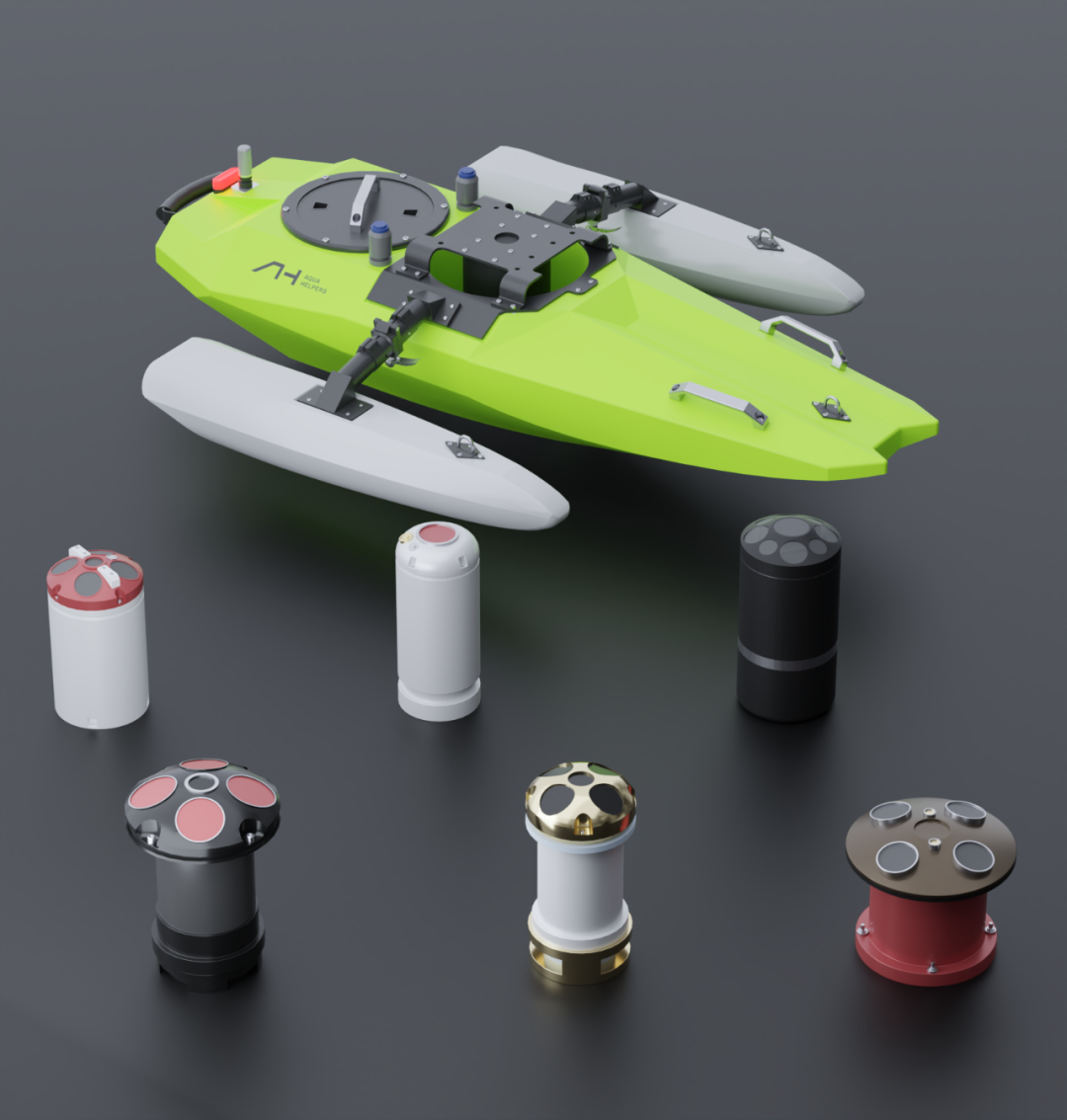
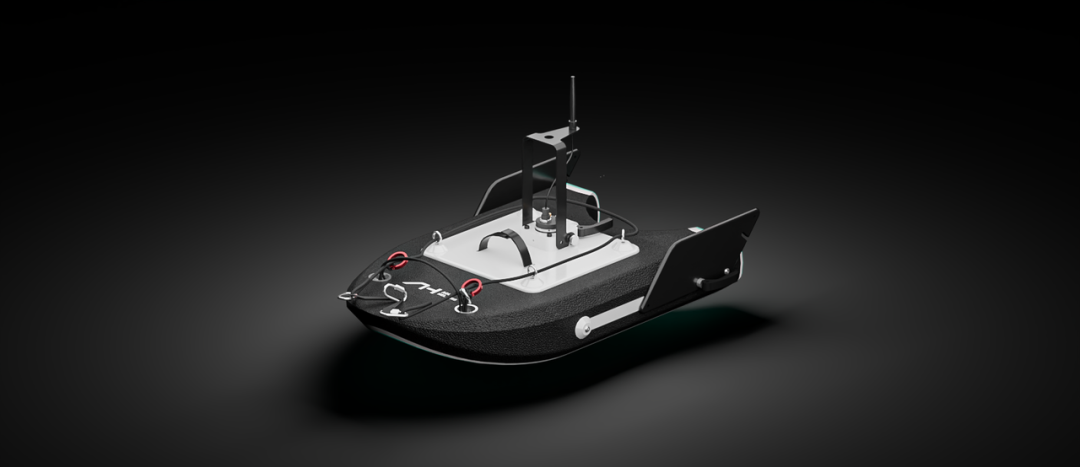
The CANOE SERIES unpowered USV includes two models, CANOE SERIES No. 1 and CANOE SERIES No. 2, which are designed to provide accurately adapted ADCP solutions for hydrographic measurements. Two models work side by side, each excelling in its own field. CANOE SERIES 1 is a foldable trimaran type, while CANOE SERIES 2 is a monohull type. The unique hull structure design of both can effectively reduce navigation resistance, ensure smooth driving on the water surface, and provide a stable operating platform for measurement work.
No power drive: low interference adaptation, accurate measurement according to water flow
CANOE SERIES is designed with an unpowered architecture as its core, eliminating propellers, propellers and other power devices, minimizing intervention in the hydrological environment of the measurement area, reducing the disturbance impact of mechanical operation on the water body from the source, ensuring that water samples remain in their original state during the collection process, and providing a true and reliable sample basis for subsequent accurate analysis of flow, flow velocity and other data.
This design not only ensures the scientificity and validity of the data, but also reduces the maintenance requirements of the power system, reduces the risk of equipment loss, and adapts to the needs of long-term measurement operations in various complex waters.
Lightweight design: lightweight and efficient, rapid deployment in complex scenarios
The lightweight design of CANOE SERIES takes innovative structural forms and deep exploration of material properties as the core logic to effectively achieve "lightweight without loss of efficiency". CANOE SERIES 1 adopts a foldable structural design to achieve flexible changes in the shape of the hull. After folding, the volume is greatly reduced, making it easy to load into small transportation vehicles, and is especially suitable for manual transportation in rough terrain in the wild. CANOE SERIES 2 uses EPP environmentally friendly lightweight materials to build the hull. On the premise of ensuring strong and wear-resistant performance, the weight of the hull is controlled in a better range, and it has both lightweight characteristics and structural strength.
Professional-grade load measurement: wide range of load capacity, reliable collection of hydrological data
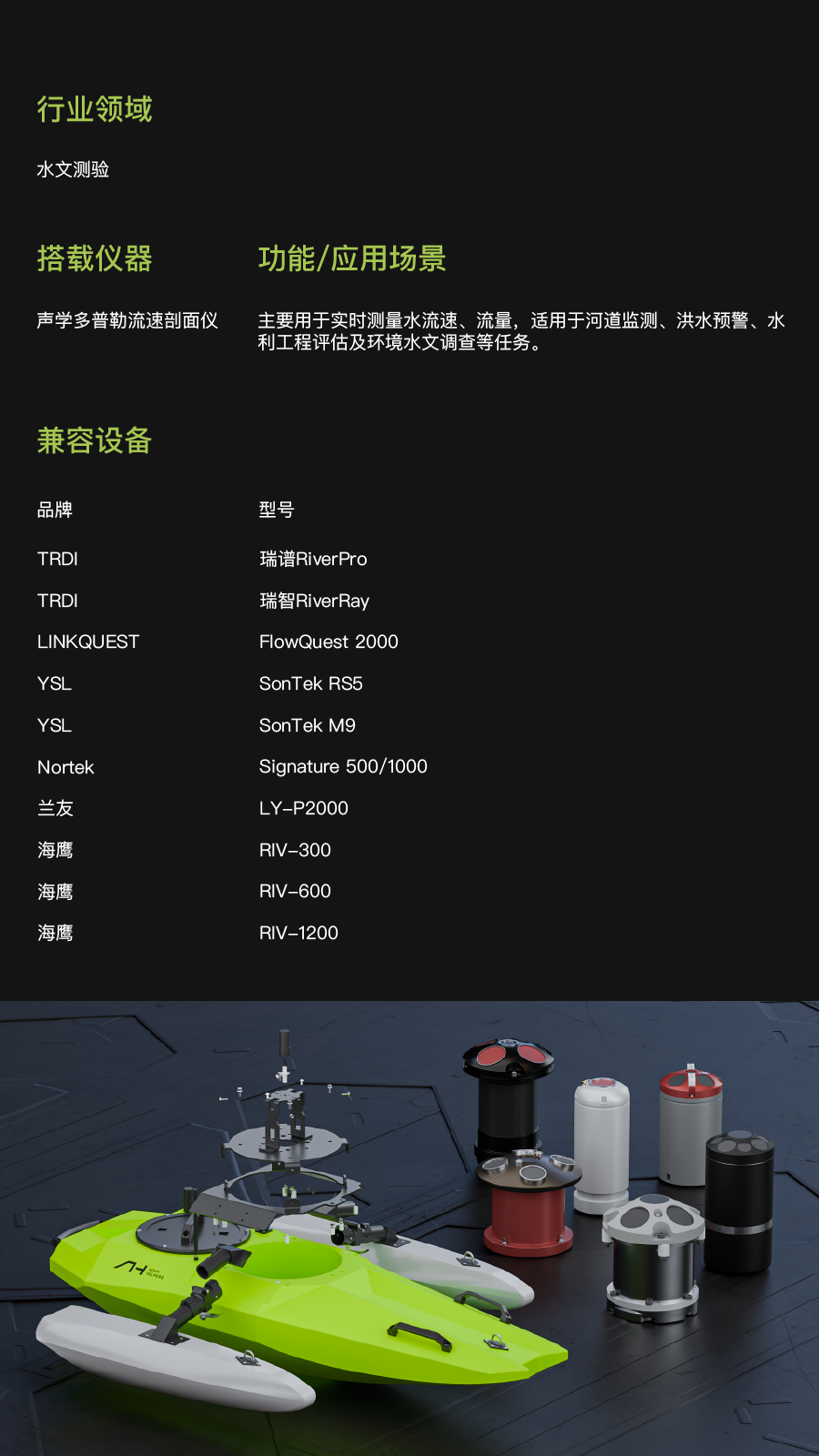
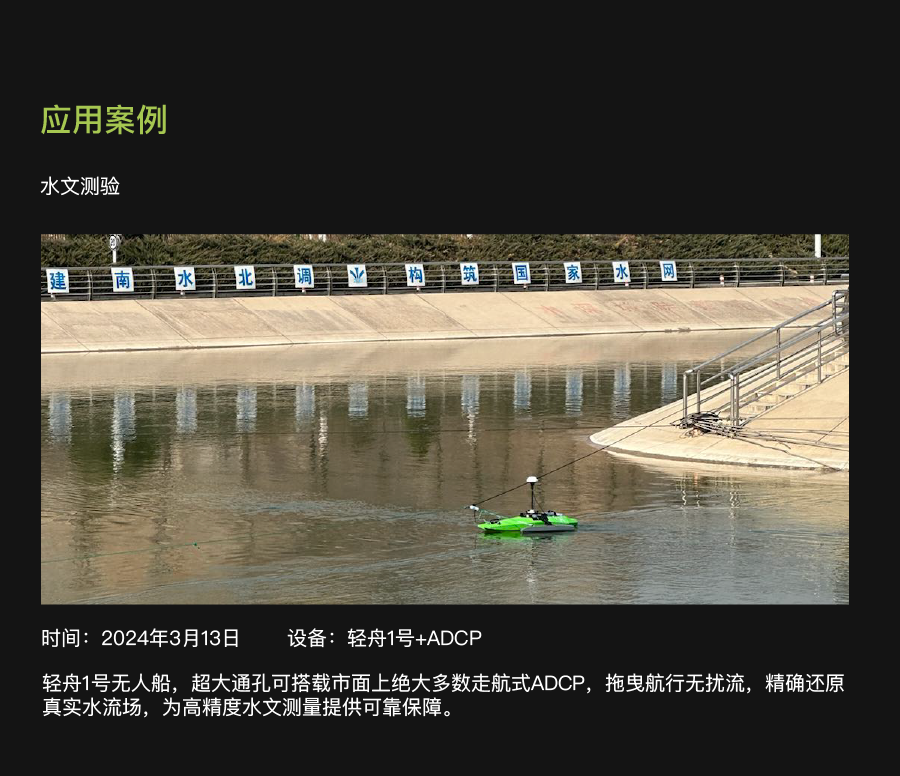
The professional core of CANOE SERIES is reflected in the in-depth adaptation of hydrographic measurement equipment and the accurate guarantee of data collection. CANOE SERIES1 adopts the ultra-large through-hole design and modular interface, and is compatible with most of the navigation ADCPs on the market, achieving plug-and-play rapid integration. CANOE SERIES 2 optimizes hardware interfaces and algorithms for RS5, RTK and other equipment. It also supports customized configurations and can flexibly carry multiple types of measuring instruments according to needs. This dual design of "universal compatibility + exclusive adaptation" can ensure the stable installation and efficient operation of various hydrological equipment.
Self-developed PCM: diverse integration, efficient and convenient water operations
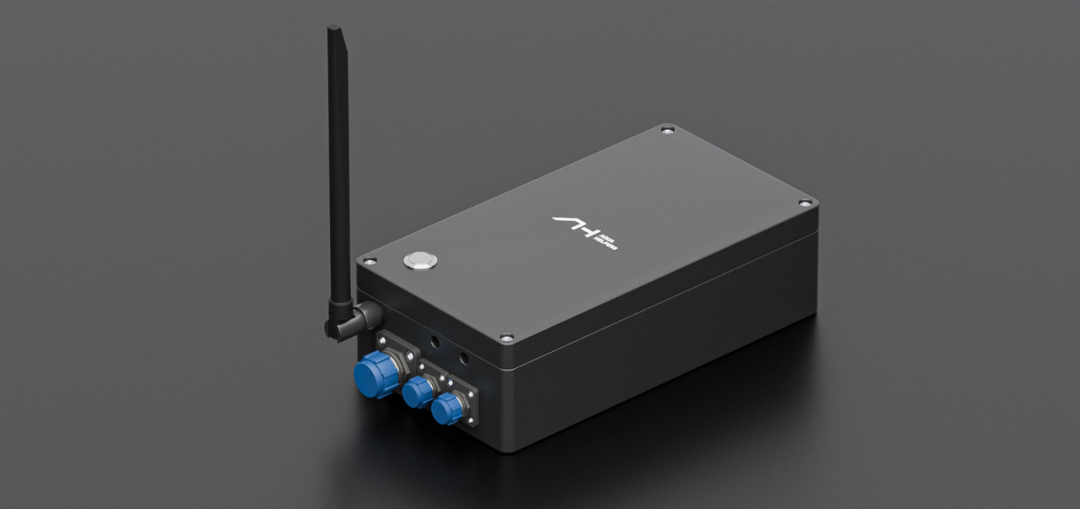
CANOE SERIESUSV is equipped with AquaHelpers' self-developed Power & Communication Module (PCM), which integrates the three major functions of digital radio, adjustable power supply and RTK high-precision positioning into one system, significantly improving the operating efficiency of the USV. Through self-developed PCM, the hydrological instruments mounted on CANOE SERIES can obtain stable and adjustable power output. This mode can flexibly adapt to the power requirements of different instruments. The collected data can be transmitted to the shore-based PC through the digital transmission radio in real time. The effective transmission distance of the digital transmission radio is ≥1.2km, ensuring stable and reliable data transmission. At the same time, RTK positioning can ensure accurate navigation of the USV during the operation, so that the measurement data has a high degree of spatial accuracy. This multi-functional integrated design has the obvious advantages of system lightweight, fast deployment, and easy operation.
Possible instrument ecology