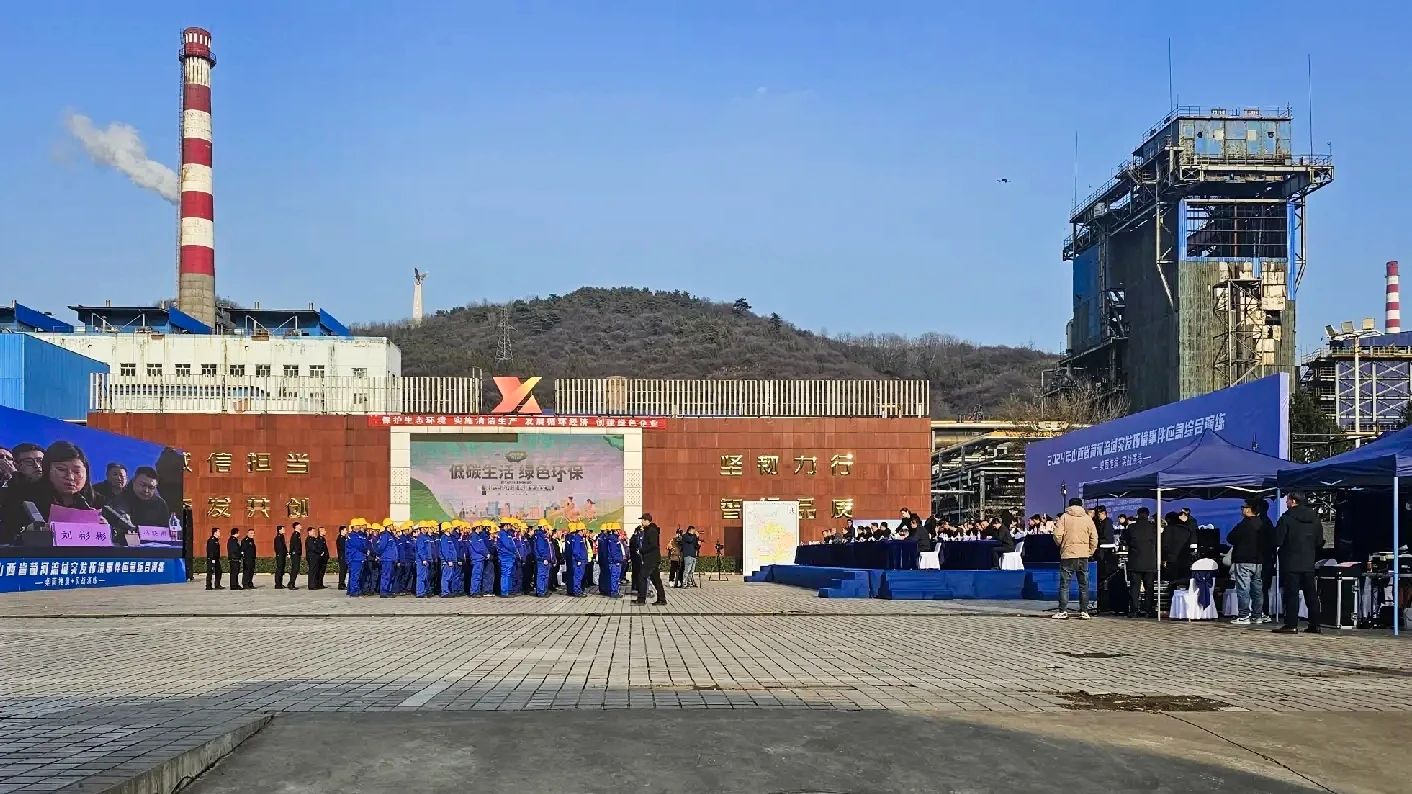
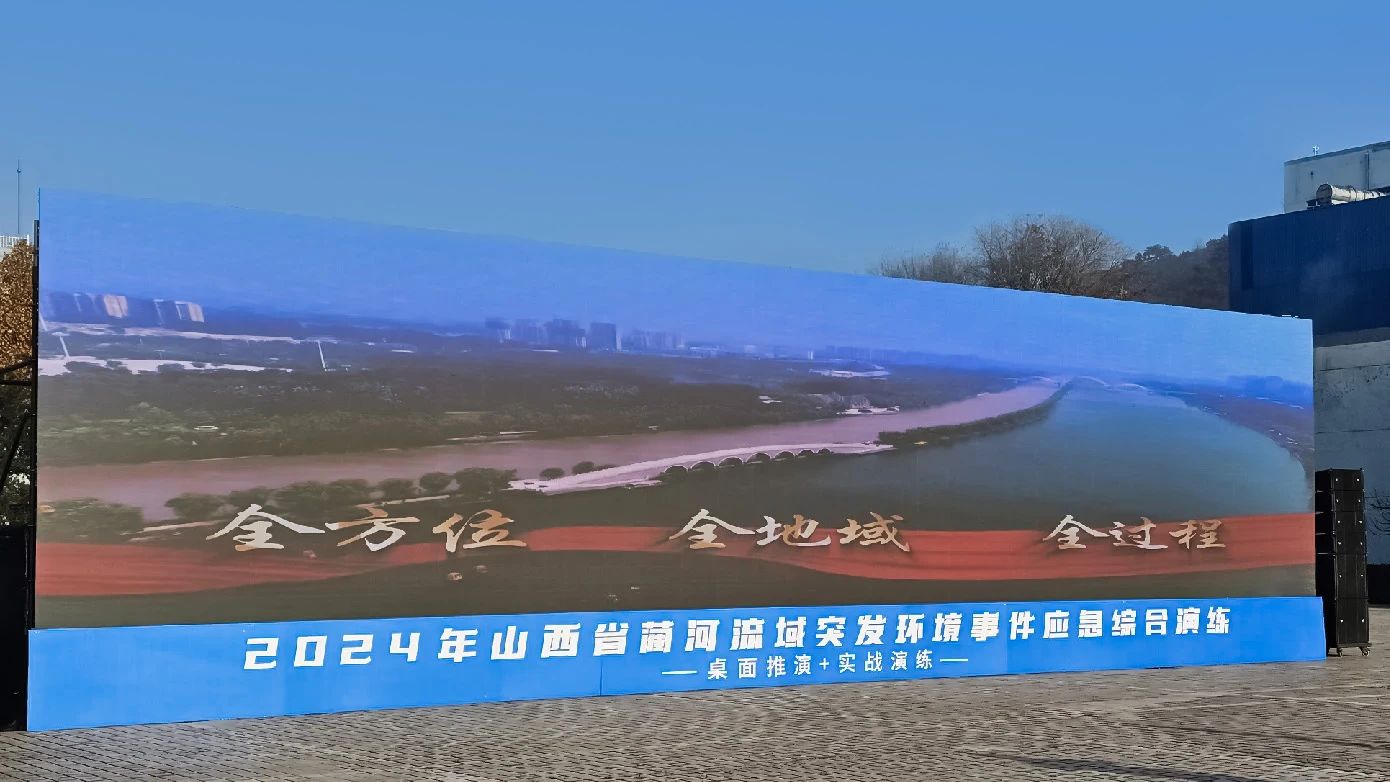
On the morning of November 22, 2024, under the guidance of the Environmental Emergency and Accident Investigation Center of the Ministry of Ecology and Environment, and sponsored by the Shanxi Provincial Department of Ecology and Environment, the Linfen Municipal People's Government, and the Jincheng City People's Government, the "2024 Shanxi Province Linhe Basin Environmental Emergency Emergency Comprehensive Drill" was successfully held in Tangcheng Industrial Park, Anze Economic and Technological Development Zone, Linfen City, Shanxi Province. This drill was designed to test plans, train teams, and improve emergency response capabilities for environmental emergencies. It attracted many leaders and experts to provide on-site observation and guidance.
This exercise was conducted in the form of unscripted real-life operations and was divided into two stages. The first stage is a desktop unscripted deduction, which was successfully completed on the morning of the 22nd. The second stage was a real-life, unscripted drill, setting up two scenarios: First, Kexin Carbon Materials Co., Ltd. caused a fire and explosion due to improper operation by workers, resulting in the leakage of hazardous chemicals and secondary sudden environmental pollution; second, a traffic accident involving a hazardous chemical transport vehicle occurred downstream of the Qinhe River and Chuan Reservoir in Anze County, causing water pollution. These two scenarios respectively set emergency goals, which are to control pollution within a specific area and prevent it from spreading to a wider area.
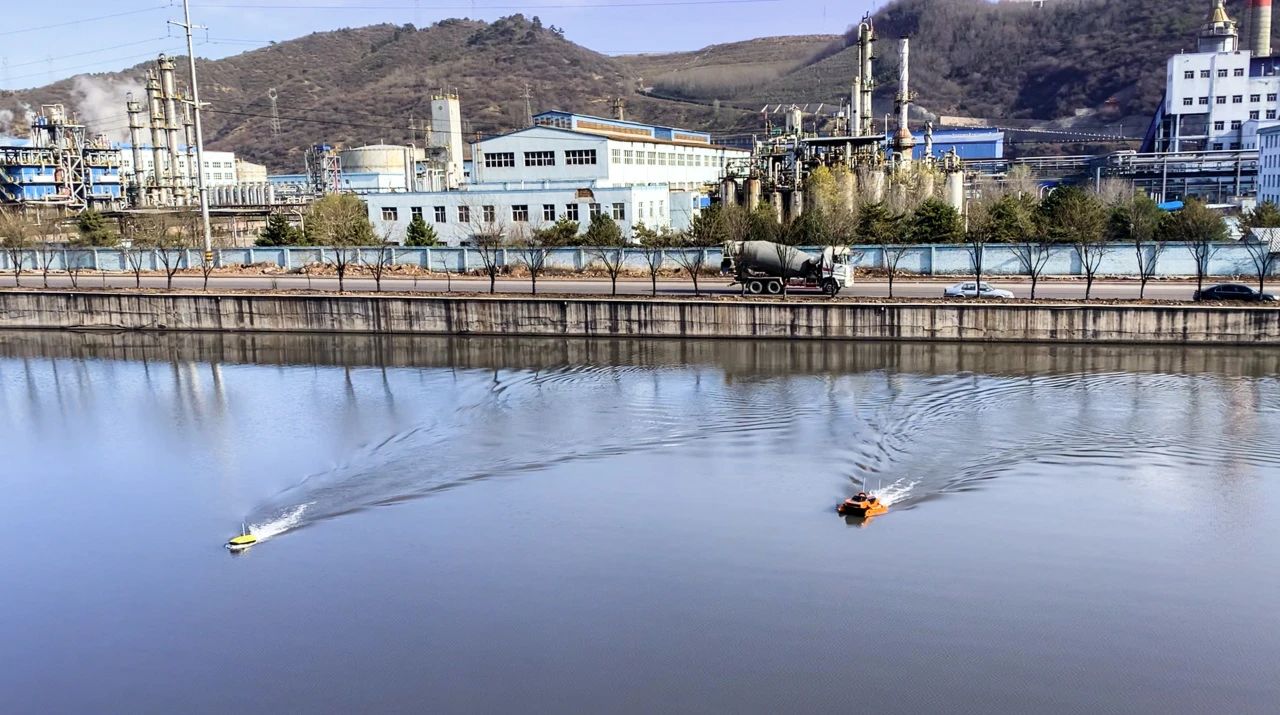
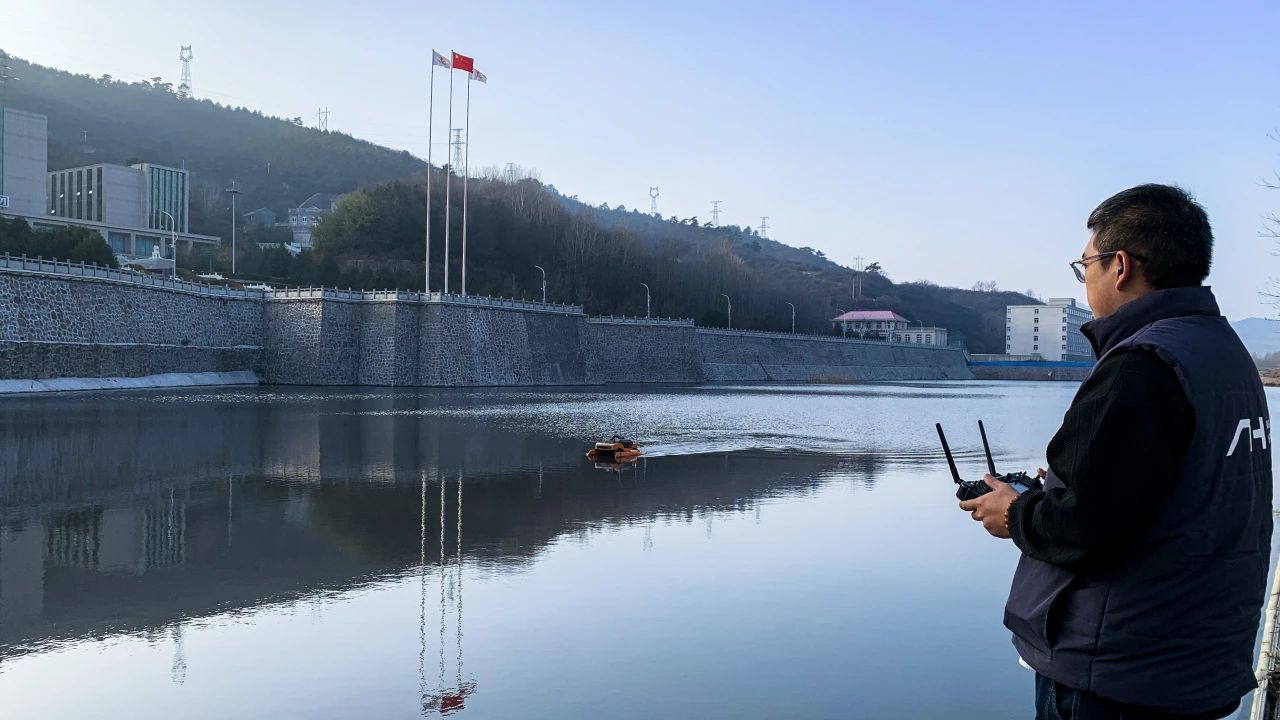
During the actual military exercise, the emergency monitoring team members made full use of USV technology to conduct river patrol monitoring. As a fully automatic surface robot, USV can sail on the water surface according to preset tasks with the help of satellite positioning and its own sensors, and complete corresponding sampling, online monitoring, underwater terrain mapping and other tasks. Compared with manual sampling, USV not only improves work efficiency, but also greatly reduces personnel risks. At the drill site, AquaHelpers is equipped with a multi-parameter online water quality analyzer for online water quality monitoring, and can also carry special equipment to monitor specific pollutants. By tracking and monitoring water pollution groups, USV can transmit data and image information in real time to provide strong support for emergency decision-making. The application of this technology fully demonstrates the important value of USV in emergency response to environmental emergencies.
Leaders participating in this drill include Comrade Hao Xianmin, Deputy Secretary-General of the Provincial Government, Comrade Liu Binbin, Director of the Third Emergency Department of the Ministry of Ecology and Environment, Comrade Wang Shuaihong, Secretary of the Party Leadership Group and Director of the Provincial Department of Ecology and Environment, and other responsible comrades from multiple departments. They congratulated on the successful holding of the exercise and spoke highly of the application of new technologies such as USV in emergency response. This drill was assisted by technical support units such as the South China Institute of Environmental Sciences of the Ministry of Ecology and Environment (Ecological and Environmental Emergency Research Institute of the Ministry of Ecology and Environment), the Shanxi Provincial Ecological Environment Monitoring and Emergency Support Center (Shanxi Provincial Institute of Ecological and Environmental Sciences), and Yipuxi Environmental Consulting Co., Ltd. After the exercise, a number of experts conducted a comprehensive evaluation of the exercise process and put forward valuable opinions and suggestions.
This drill not only tested the emergency response capabilities of Shanxi Province's ecological and environmental departments at all levels, but also demonstrated the important role of new technologies such as USV in emergency response to environmental emergencies. In the future, AquaHelpers will continue to increase technological innovation and contribute more to protecting green waters and mountains and maintaining ecological security.