On September 3, 2025, a conference held in Tiananmen Square in Beijing to commemorate the 80th anniversary of the victory of the Chinese People’s War of Resistance Against Japanese Aggression and the World Anti-Fascist War attracted global attention. In addition to the familiar foot formations, equipment formations and aerial echelons, one of the highlights of this year is the concentrated display of unmanned combat systems. Whether it is drones that can independently network and perform tasks collaboratively, or unmanned combat vehicles and unmanned ships that have both maneuverability and tactical adaptability, they have sent a clear signal to the world: unmanned and intelligent technologies are reshaping the operating logic of the future world.
From life to military: The era of unmanned people is quietly coming
The core advantages of unmanned technology lie in three points: reducing risks, improving efficiency, and breaking through boundaries. In the military, unmanned systems can replace soldiers in performing high-risk tasks; in cities, unmanned vehicles are gradually entering the public eye; in the logistics industry, drones are participating in terminal distribution; in oceans and waters, USV ships are undertaking tasks such as surveying, monitoring, and rescue.
It can be said that unmanned technology is not only the direction of technological upgrading, but also a new social productivity. It changes the traditional logic of "wherever the people are, the work is there", and instead allows humans to schedule and control complex scenes through remote and intelligent control.
From people's livelihood to national defense: the same technological thread
Today, the land unmanned combat team, the maritime unmanned combat team, and the aerial unmanned combat team passed in front of Tiananmen Square one after another. They seem to belong to different fields, but they all rely on artificial intelligence, automatic control, sensor fusion, remote communications and other technical systems. At the civilian level, unmanned systems have brought about a jump in industrial efficiency and an upgrade in security; at the national defense level, they have brought about the reconstruction of the combat power system.
Unmanned technology is no longer a cutting-edge topic in the laboratory, but a real force that is being implemented.
From rivers to deep sea: the dual dimensions of USVs
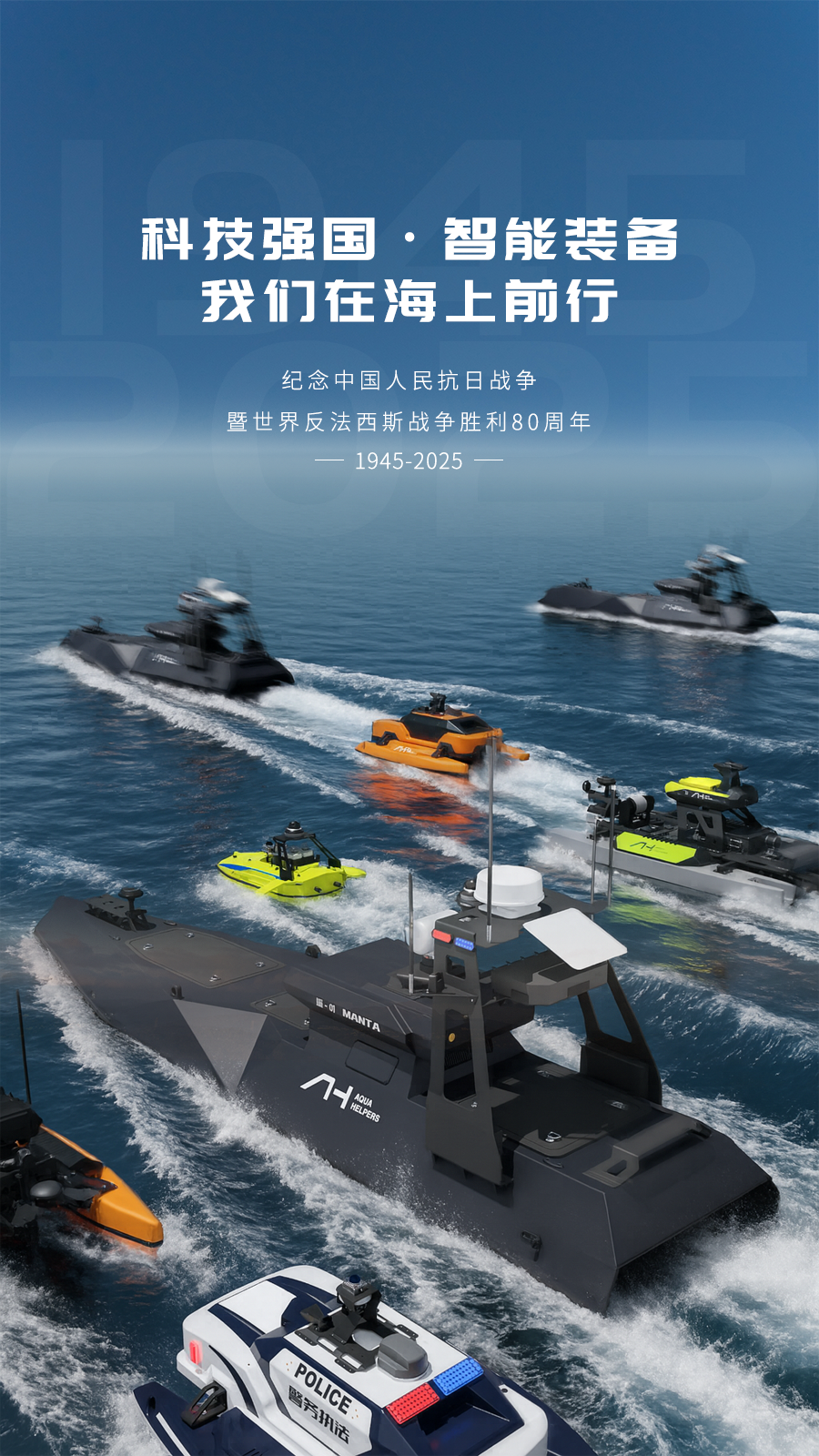
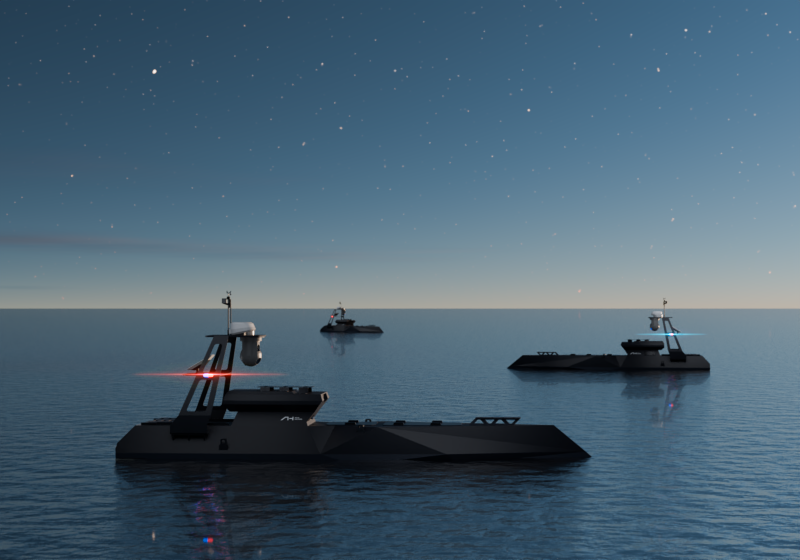
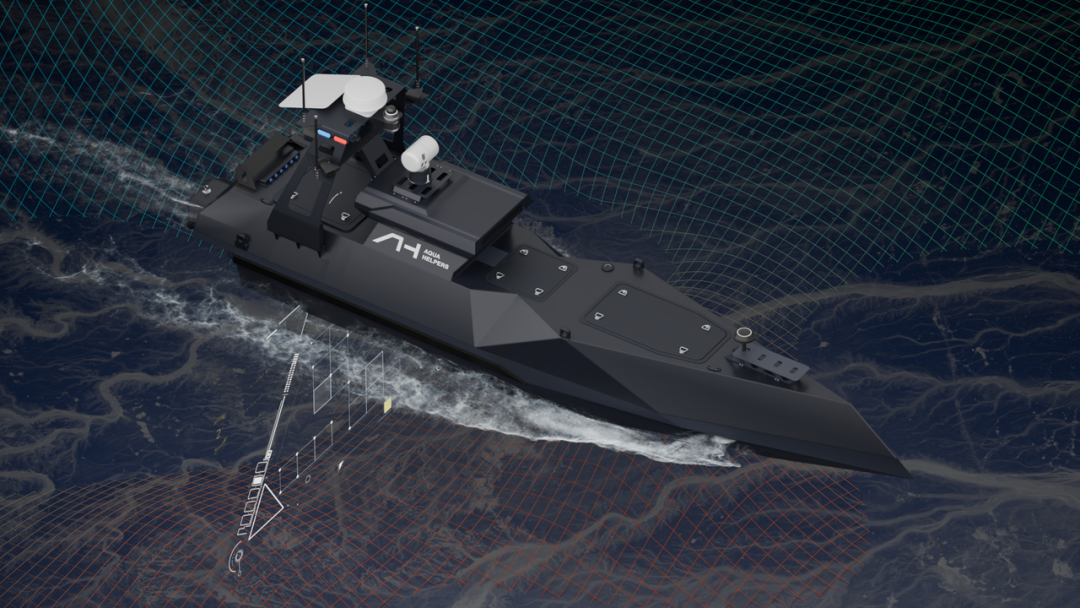
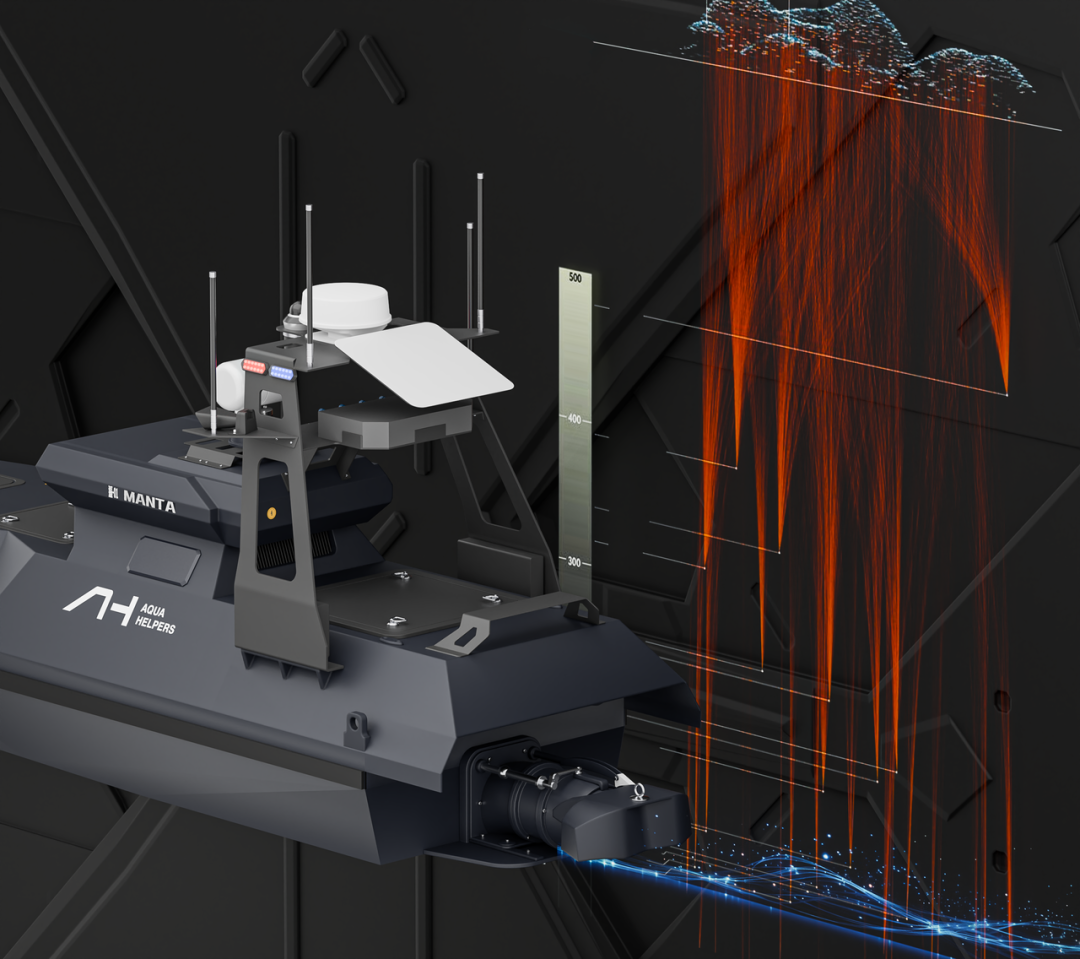
In lakes and rivers, AquaHelpers' multiple series of USVs take on roles such as water quality monitoring, emergency rescue, and security inspections in a flexible and compact form; in the vast ocean, AquaHelpers' "remote" unmanned vehicle (Manta) brings together a solid hull structure, intelligent control system, and modular expansion capabilities. One is based on people's livelihood, and the other faces the deep sea. Together, they constitute AquaHelpers’ unmanned aquatic force, carrying the same scientific and technological mission.
future outlook
Today, the country's unmanned combat systems on display at the military parade are a declaration to the world that China's intelligence level is at the forefront of the times. From life to military, from people's livelihood to national defense, from inland rivers to deep sea, unmanned is becoming the universal language of the water world. For AquaHelpers, this is both an opportunity and a responsibility. We hope to drive a new pattern of waters with innovative thinking and lead new voyages in the future with intelligent solutions.